


Is herpes contagious?

Herpes is a clearly contagious condition caused by herpesviruses and can spread via direct contact (e.g., skin-to-skin contact with active lesions) or indirect contact (e.g., sharing contaminated objects). The transmissibility and transmission routes vary among different types of herpes. If you develop skin blisters, pain, ulceration, or worsening symptoms, seek prompt medical evaluation and treatment.
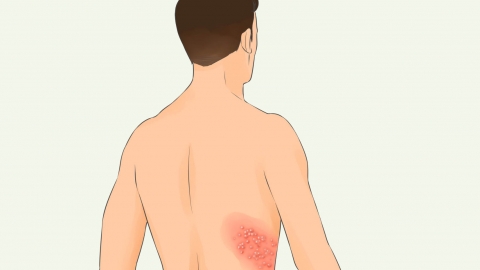
Multiple herpesvirus types exist; common forms include herpes simplex virus (HSV) infection and varicella-zoster virus (VZV) infection (causing shingles). These viruses can establish latency in human skin and mucosal tissues. Direct contact with fluid from active blisters or exudate is the primary mode of transmission; infection may also occur through contact with contaminated personal items. Clinically, management focuses on antiviral therapy, analgesia, and neurotrophic support, supplemented by topical agents to promote skin lesion healing and suppress viral replication and spread.
After initial infection, herpesviruses persist indefinitely in a latent state within the body and may reactivate when immune function declines. Shingles predominantly affects immunocompromised individuals and exhibits heightened contagiousness during the acute phase; most patients develop long-lasting immunity following recovery. In contrast, herpes simplex tends to recur frequently; therefore, maintaining robust physical health—through lifestyle optimization—helps reduce viral reactivation, thereby lowering both transmission and recurrence risks.
In daily life, maintain clean, dry skin; adhere to regular sleep schedules and balanced nutrition; engage in moderate physical activity to strengthen overall health; use personal hygiene items exclusively; and avoid shared contact with others—thereby minimizing the risk of herpes virus infection and recurrence.


