


What should I do if I have epididymitis?

Epididymitis can be managed through bed rest, local physical care, standardized drug therapy, symptomatic pain management, and surgical intervention when necessary. Most cases of epididymitis are caused by bacterial infection; if left untreated, local tissue damage may worsen. Prompt medical attention is essential if persistent scrotal swelling, pain, or fever occurs.
1. Bed Rest and Supportive Care: During the acute phase, patients should remain in bed as much as possible, minimizing standing and walking to avoid prolonged dependent positioning of the scrotum. A soft support pad may be used to gently elevate the scrotum, thereby reducing local heaviness, tension, and discomfort. All strenuous physical activities should be suspended to conserve energy, minimize pressure and friction on the affected area, and alleviate swelling and pain.
2. Local Physical Care: In the early stage of illness, local cold compresses may help reduce hyperemia, edema, and pain. Once the condition enters the recovery phase, warm compresses are recommended to promote local blood circulation and facilitate absorption of inflammation. Avoid vigorous rubbing or deep pressure on the affected area, as this may exacerbate inflammation. Proper protection of the scrotal region is essential.
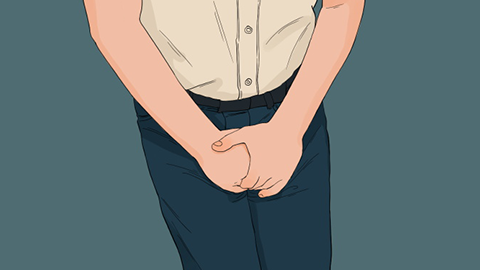
3. Standardized Drug Therapy: Since most cases of epididymitis are associated with bacterial infection, appropriate anti-infective medications must be prescribed and administered under physician supervision. Patients must strictly adhere to the full prescribed course—stopping medication prematurely upon symptom improvement is strongly discouraged. During treatment, monitor changes in scrotal swelling and pain, and watch for any other systemic adverse reactions.
4. Symptomatic Pain Management: For significant pain, analgesics may be prescribed per physician guidance to relieve discomfort. Avoid spicy and irritating foods, increase intake of warm water, and abstain from alcohol. Maintain good personal hygiene, especially in the genital area, to prevent secondary bacterial invasion of the urogenital system.
5. Surgical Intervention: Surgery is indicated when conservative drug therapy proves ineffective, when an abscess forms, or when testicular or epididymal necrosis is suspected. Surgical procedures typically involve incision and drainage of the abscess and excision of necrotic or severely inflamed tissue. Postoperatively, strict adherence to physician-recommended rest and recovery protocols is critical to reduce the risk of developing chronic epididymal nodules.
During illness, sexual activity should be temporarily suspended. Wear loose-fitting, breathable cotton underwear to keep the genital area dry. Avoid prolonged sitting and urinary retention. Complete the entire prescribed treatment course to prevent progression to chronic or recurrent disease.


