


What Causes Blood in the Urine?

Blood in the urine (hematuria) may result from intense physical exercise, insufficient fluid intake leading to concentrated urine, urethritis, cystitis, or minor urinary tract stones. Symptoms can often be improved through adequate rest, increased fluid intake, and appropriate symptomatic medication. However, if hematuria recurs or is accompanied by dysuria (painful urination), prompt medical evaluation is essential.
1. Intense Physical Exercise: Prolonged, high-intensity exercise can cause transient mucosal congestion and increased vascular permeability in the urinary tract, resulting in a small number of red blood cells entering the urine—manifesting as transient hematuria. It is recommended to moderate exercise intensity, rest and rehydrate promptly after physical activity, and avoid chronic overexertion.
2. Insufficient Fluid Intake Leading to Concentrated Urine: Inadequate daily water intake causes prolonged urine concentration, which may irritate and cause minor injury to the urethral mucosa. This may lead to mild hematuria, often accompanied by darker-colored urine. It is advised to maintain regular, sufficient hydration and frequent urination to continuously flush the urinary tract and minimize mucosal irritation.
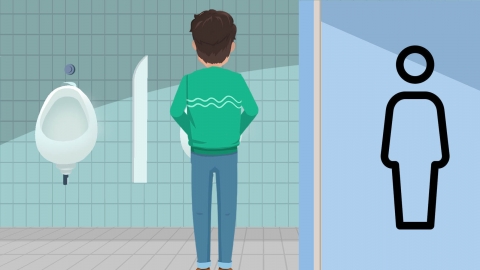
3. Urethritis: Bacterial invasion of the urethra triggers inflammatory changes, causing mucosal congestion, edema, and fragility. The inflamed mucosa is prone to micro-tears and bleeding, resulting in hematuria alongside symptoms such as urinary frequency and urethral burning or stinging. Treatment should be guided by a physician and may include medications such as levofloxacin tablets, Sanjin tablets, or cefuroxime axetil tablets.
4. Cystitis: Infection of the bladder mucosa by pathogens leads to inflammation, local congestion, and erosion—increasing susceptibility to vascular rupture. Patients may present with hematuria during urination, along with urgency and mild lower abdominal discomfort or pressure. Under medical supervision, treatment options may include amoxicillin capsules, Relinqing granules, or norfloxacin capsules to alleviate symptoms.
5. Minor Urinary Tract Stones: Tiny calculi within the urinary tract may abrade the mucosa as they move, causing mucosal injury and bleeding. This results in intermittent hematuria; some individuals may also experience mild urinary discomfort during voiding. Pharmacological management—under physician guidance—may include lithiasis-expelling granules, Lysimachia christinae granules, or cefixime capsules.
In daily life, maintain habits such as drinking ample water, urinating regularly, consuming a light diet low in spicy and irritating foods, engaging in moderate physical activity, and practicing proper genital hygiene to support optimal urinary tract health.


