


How is premature ejaculation treated?

Early ejaculation can be improved through daily psychological and behavioral adjustments, behavioral training interventions, topical medications, oral drug therapy, and surgical evaluation and treatment. Causes of early ejaculation include psychological and emotional factors, heightened penile nerve sensitivity, and underlying physical health issues; therefore, individualized, comprehensive management is essential. If poor ejaculatory control persists over time, prompt medical consultation is advised.
1. Daily Psychological and Behavioral Adjustment: Maintain a relaxed mindset and reduce anxiety or tension during intercourse, as excessive psychological stress can exacerbate premature ejaculation. Open communication and mutual understanding between partners are crucial—avoid excessive criticism or blame. Maintain regular sleep patterns, minimize late-night activity, abstain from smoking and alcohol, and engage in moderate, consistent physical exercise to improve overall physical health and mitigate adverse psychological effects.
2. Behavioral Training Interventions: Techniques such as the “stop-start” method and the “squeeze” technique can enhance ejaculatory control. These exercises require long-term, consistent practice to gradually decrease local penile sensitivity. During intercourse, adjust the pace—avoid rushing to completion—and synchronize breathing to slow down the rhythm, helping the body gradually establish a new, more controlled ejaculatory reflex pattern.
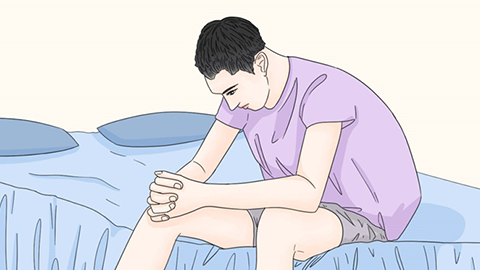
3. Topical Medications: Under medical supervision, topical desensitizing creams or gels may be applied to reduce glans penis sensitivity and prolong time to ejaculation. Apply a small, prescribed amount prior to intercourse, carefully adhering to dosage instructions. Some individuals may experience numbness or noticeable irritation; if such symptoms occur, discontinue use immediately.
4. Oral Drug Therapy: For patients with severely impaired ejaculatory control, oral medications prescribed by a physician may help modulate neural reflexes and improve premature ejaculation. Strictly adhere to the prescribed dosage—do not increase the dose or continue use indefinitely without medical guidance. Monitor bodily responses after initiating medication and combine pharmacotherapy with psychological and behavioral strategies to maximize therapeutic outcomes.
5. Surgical Evaluation and Treatment: Surgery is generally not recommended for most cases of premature ejaculation. It should only be considered after thorough specialist evaluation—particularly when conservative treatments have proven ineffective. Surgical intervention carries inherent risks and must not be pursued indiscriminately. Postoperative recovery and care are essential, and behavioral training should continue to consolidate and sustain treatment benefits.
In daily life, avoid excessive masturbation, minimize prolonged sitting, maintain regular physical exercise, communicate openly and cooperatively with your partner, preserve emotional stability, refrain from imposing undue psychological pressure on yourself, and consistently pursue comprehensive, integrated management.


