


Can prostatitis resolve on its own?

Mild, non-bacterial prostatitis may resolve spontaneously with appropriate, science-based lifestyle adjustments. However, most cases of bacterial prostatitis and severe chronic prostatitis cannot heal on their own; delaying treatment may lead to recurrent and worsening symptoms. If you experience persistent urinary frequency or perineal heaviness and discomfort, seek medical attention promptly for timely, targeted treatment.
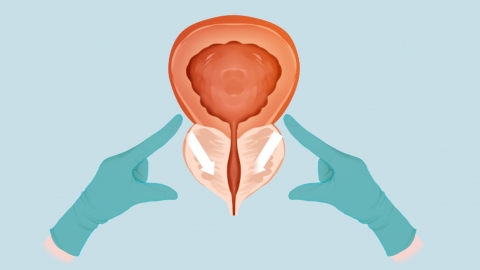
Prostatitis encompasses several distinct types. Mild inflammation without bacterial infection is often triggered by unhealthy habits such as prolonged sitting, urinary retention, or irregular sleep-wake cycles. Patients typically report only mild urinary discomfort or a sensation of pelvic heaviness. With timely lifestyle modifications—such as improved posture, regular voiding, and consistent sleep patterns—prostatic congestion gradually subsides, allowing the inflammation to resolve progressively. In contrast, bacterial prostatitis involves a clearly identifiable pathogen and requires antimicrobial therapy to eradicate the causative bacteria; spontaneous resolution is not possible.
Chronic prostatitis is characterized by a prolonged disease course and frequent relapses. Persistent inflammation can impair prostate function and lead to ongoing symptoms—including low back and knee soreness, as well as urinary abnormalities. Relying solely on self-management is generally insufficient for complete resolution; instead, comprehensive, professional interventions—including pharmacotherapy and physical modalities—are essential. Early, standardized management effectively shortens the disease course and helps prevent the development of refractory prostatic disorders.
In daily life, maintain moderate physical activity, avoid prolonged sitting and urinary retention, follow a light and regular diet, limit alcohol and tobacco use, and adhere to consistent, healthy sleep habits—all of which contribute to sustained prostate health and reduce the risk of inflammatory recurrence.


