


Does benign prostatic hyperplasia require treatment?

Whether benign prostatic hyperplasia (BPH) requires treatment depends on the severity of symptoms and disease progression. Mild, asymptomatic BPH does not require specific treatment and only necessitates regular monitoring.
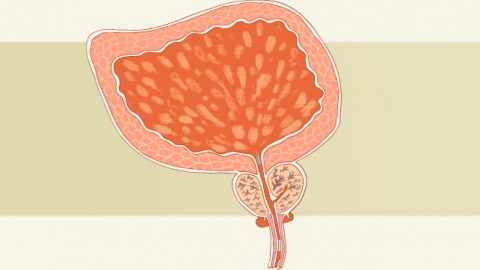
For moderate-to-severe BPH accompanied by urinary abnormalities or urinary tract obstruction, appropriate intervention is essential. If urinary difficulty progressively worsens, prompt medical evaluation and management are required.
BPH is a common benign condition among middle-aged and older men. In its early stage, glandular enlargement is minimal and does not compress the urethra; thus, patients typically experience no symptoms such as urinary frequency or nocturia, nor is daily life affected. Individuals in this category need only undergo periodic monitoring of prostate changes and maintain healthy lifestyle habits to stabilize their condition. For those with mild lower urinary tract symptoms, oral medications can relax urethral smooth muscle and reduce prostate volume, thereby slowing disease progression.
Moderate-to-severe BPH causes persistent urethral compression, leading to incomplete bladder emptying, straining during urination, urinary retention, and other complications. If left untreated over time, it may impair bladder and kidney function. When pharmacological therapy proves ineffective, minimally invasive surgical procedures—such as transurethral resection of the prostate (TURP)—can be performed to remove hyperplastic tissue, relieve urethral compression, and restore normal voiding function. Timely intervention helps prevent complications and ensures proper functioning of the urinary system.
In daily life, maintain adequate fluid intake, avoid urine retention and prolonged sitting, limit consumption of spicy foods and alcohol, and engage in regular, moderate physical exercise to promote stable pelvic blood circulation and slow the progression of prostate enlargement.


