


What Is Benign Prostatic Hyperplasia?

Benign prostatic hyperplasia (BPH) is a common, noncancerous urological condition among middle-aged and elderly men, characterized primarily by enlargement of the prostate gland. This enlargement compresses the urethra, leading to various urinary symptoms, and typically progresses slowly with advancing age. Persistent urinary abnormalities warrant prompt medical evaluation and intervention.
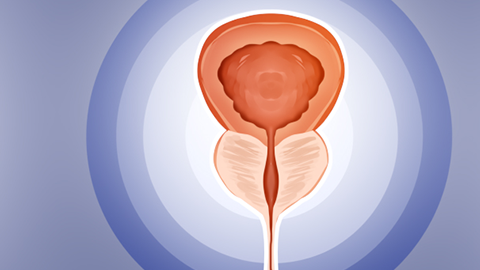
The development of BPH is closely associated with aging and changes in hormonal levels. Gradual proliferation and expansion of prostatic tissue compress the urethra and alter bladder anatomy involved in urination. In early stages, most patients experience mild symptoms such as increased nocturia and urinary frequency; as the condition advances, symptoms may progress to include straining during urination and a diminished urinary stream. Clinically, management strategies—including watchful waiting, pharmacotherapy, or minimally invasive surgical procedures—are selected based on symptom severity to alleviate urethral compression.
BPH is a progressive disorder. In its early stage, glandular enlargement exerts minimal impact on the urinary tract and does not impair organ function. However, untreated moderate-to-severe BPH leads to progressively worsening urinary obstruction, increasing the risk of bladder dysfunction and urinary tract infections. Targeted pharmacotherapy can suppress further glandular growth, while minimally invasive interventions directly relieve obstruction, thereby restoring normal urinary physiological function.
Maintaining regular daily routines, controlling body weight, avoiding prolonged sitting, urinary retention, and excessive alcohol consumption, adopting a light diet, engaging in appropriate physical activity, and stabilizing metabolic status collectively help slow the progression of prostate enlargement.


