


How to effectively relieve gallstone pain

Cholecystolithiasis (gallstone)-induced pain can be alleviated through various approaches, including bed rest and recuperation, physical relief via positioning, fasting and dietary management, antispasmodic and analgesic drug therapy, and surgical intervention. Gallstones irritate the gallbladder wall, triggering spasmodic pain; therefore, appropriate management strategies should be selected based on individual clinical circumstances. If persistent high fever or unrelenting severe abdominal pain occurs, prompt medical evaluation and treatment at a hospital are essential.
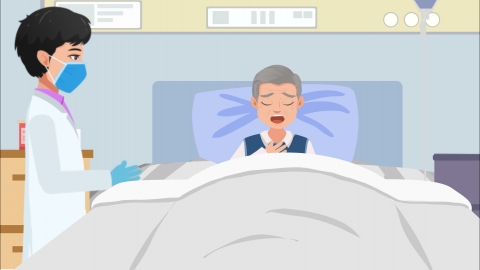
1. Bed Rest and Recuperation: During acute gallstone pain episodes, maintain strict bed rest to minimize body movement and reduce mechanical stimulation of the gallbladder. Avoid unnecessary ambulation or physical exertion, and remain in a relaxed state—both physically and emotionally. Agitated or excessive activity may intensify gallbladder contractions and exacerbate abdominal pain.
2. Physical Relief via Positioning: Adopt a comfortable lateral decubitus position (preferably lying on the right side) to alleviate pressure on the gallbladder region. Gentle, warm compresses applied externally to the right upper abdomen may help relax gallbladder smooth muscle and relieve spasm. Do not apply firm pressure, massage, or rub the painful area, as inappropriate external force may aggravate gallbladder inflammation and worsen the condition.
3. Fasting and Dietary Management: During the acute phase of pain, implement short-term fasting to minimize food-induced gallbladder contraction. Once pain begins to subside, gradually reintroduce small amounts of bland, liquid foods. Strictly avoid fatty, high-fat, and fried foods, as dietary fat intake strongly stimulates gallbladder contraction and intensifies biliary colic.
4. Antispasmodic and Analgesic Drug Therapy: For moderate-to-severe pain, antispasmodic and analgesic medications may be prescribed under physician guidance to relax gallbladder smooth muscle, relieve spasm, and reduce biliary colic. Adhere strictly to prescribed dosages—do not self-administer analgesics without medical supervision. Monitor abdominal symptoms and overall bodily response following medication use.
5. Surgical Intervention: Surgery is indicated for recurrent, frequent biliary colic or when complications such as suppurative cholecystitis develop and conservative measures fail to control symptoms. Cholecystectomy—the surgical removal of the diseased gallbladder—eliminates the source of stone formation and subsequent attacks. Preoperative evaluations comprehensively assess surgical fitness, while postoperative care focuses on optimal recovery and rehabilitation.
In daily life, adhere to a low-fat diet, maintain regular mealtimes, avoid overeating or binge eating, minimize sleep deprivation and fatigue, and carefully manage overall dietary composition—thereby reducing the frequency of gallstone-related biliary colic episodes.


