


How to Self-Assess for Ascites

Self-assessment for ascites (fluid accumulation in the abdominal cavity) may include observing changes in abdominal distension, monitoring weight fluctuations, checking for lower-limb edema, noting gastrointestinal symptoms, and performing abdominal percussion at home. However, self-assessment serves only as an initial reference and cannot replace professional medical evaluation. If you experience rapid abdominal enlargement, shortness of breath, or other concerning symptoms, seek prompt medical attention.
1. Observe changes in abdominal distension: Compare your current physique with previous appearances—look for outward bulging of the abdomen and protrusion of the umbilicus. With small amounts of ascites, visible changes may be subtle; however, as fluid accumulates progressively, abdominal distension becomes increasingly apparent. A disproportionately enlarged abdomen alongside thinning of the limbs warrants heightened vigilance—monitor subsequent bodily changes closely.
2. Monitor weight fluctuations: Rapid weight gain over a short period—despite no significant increase in food intake—may indicate fluid retention in the peritoneal cavity. After ruling out weight gain due to fat accumulation, ascites should be considered. Regularly record your weight and compare serial measurements to detect trends.
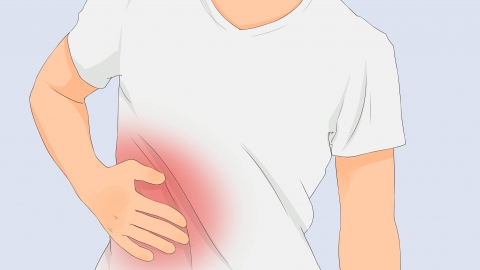
3. Check for lower-limb edema: Ascites associated with liver disease is often accompanied by hypoalbuminemia, leading to fluid accumulation in the lower extremities. Press gently on the anterior aspect of the calf; if indentation persists after releasing pressure and skin rebound is delayed, edema is likely present. Edema severity typically correlates with disease progression and may worsen toward evening, especially after physical exertion.
4. Assess gastrointestinal symptoms: Accumulated intra-abdominal fluid compresses the stomach and intestines, potentially causing bloating, reduced appetite, and early satiety after meals. Even small portions may induce fullness, and some individuals may experience abnormal bowel habits. These symptoms closely resemble common gastrointestinal disorders; therefore, they must be interpreted in conjunction with other clinical signs.
5. Perform abdominal percussion self-check: Lie supine and gently tap both sides of the abdomen, paying attention to the resulting sound. Areas with ascites produce a dull, muffled percussion note, whereas regions without fluid yield a relatively resonant, tympanic sound. Note that home percussion carries inherent limitations and potential inaccuracies—it serves only as a preliminary screening tool and must never substitute formal diagnostic evaluation.
Individuals with pre-existing liver disease should strictly limit dietary sodium intake, consistently track body weight and abdominal girth, ensure adequate rest, avoid alcohol consumption and sleep deprivation, and undergo regular, standardized medical examinations to accurately assess intra-abdominal status.


