


What Are the Symptoms of Gallstones?

Common symptoms of gallstones include colicky pain in the right upper abdomen, postprandial epigastric fullness and discomfort, nausea and vomiting, referred pain to the right shoulder and back, jaundice, and fever. Some individuals with gallstones may remain asymptomatic for extended periods. Symptoms are often triggered after consuming fatty foods. If persistent, severe abdominal pain or high-grade fever develops, prompt medical evaluation and treatment are essential.
1. Colicky pain in the right upper abdomen: When a gallstone becomes lodged in the cystic duct, it triggers intense spasm of the gallbladder smooth muscle, resulting in sudden-onset, colicky right upper quadrant pain—often lasting several minutes. High-fat meals or overeating commonly precipitate this symptom; pain typically subsides gradually after the episode.
2. Postprandial epigastric fullness and discomfort: Gallstone-induced impairment of gallbladder contractility disrupts the normal rhythm of bile release. After eating, patients experience epigastric fullness accompanied by a sensation of pressure or tightness. This symptom is frequently mistaken for common gastrointestinal disorders; many individuals incorrectly attribute it to gastric issues without recognizing underlying gallbladder pathology.
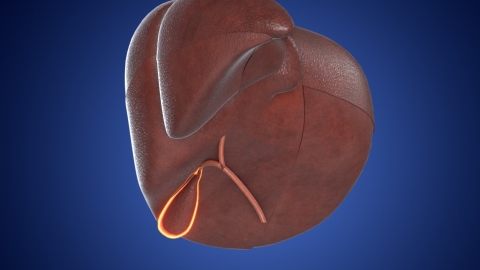
3. Nausea and vomiting: During biliary colic episodes, neural stimulation triggers nausea and vomiting. Vomitus typically consists of gastric contents, and abdominal pain may persist even after vomiting ceases. Nausea tends to worsen following ingestion of fatty foods.
4. Referred pain to the right shoulder and back: Pain originating from the gallbladder may radiate via neural pathways, causing aching or discomfort in the right shoulder and posterior back region. Despite the absence of musculoskeletal injury, such discomfort recurs repeatedly. This symptom commonly co-occurs with abdominal pain and is often misdiagnosed as muscular strain.
5. Jaundice and fever: When a gallstone migrates and obstructs the common bile duct, bile outflow is impeded, leading to jaundice—manifested by yellowing of the skin and sclera. Concurrent cholecystitis or cholangitis may cause systemic fever. These signs indicate disease progression, reflecting biliary obstruction and ongoing hepatic or biliary tract injury.
In daily life, limit dietary fat intake, maintain regular mealtimes, avoid skipping breakfast, reduce consumption of high-cholesterol foods, and undergo periodic abdominal ultrasound examinations to monitor gallstone size and changes in gallbladder wall morphology.


