


What Are the Symptoms of Poor Liver Function?

Signs of poor liver function include generalized fatigue and lethargy, diminished digestive capacity, abnormal skin coloration, discomfort in the liver region, and a tendency toward bleeding. The liver performs numerous critical functions—including metabolism, detoxification, and synthesis of essential proteins—so damage to hepatocytes triggers widespread systemic changes. If you experience pronounced jaundice (yellowing of the skin and eyes), hematemesis (vomiting blood), or melena (black, tarry stools), seek immediate medical evaluation and treatment.
1. Generalized fatigue and lethargy: Reduced hepatic metabolic capacity impairs energy production and supply, leading to persistent tiredness and exhaustion. Even without strenuous physical activity, individuals may feel profoundly weak; rest and sleep often fail to restore energy. As the condition progresses, fatigue intensifies and increasingly interferes with daily activities.
2. Diminished digestive capacity: Impaired bile production and secretion disrupt gastrointestinal digestion, resulting in reduced appetite, abdominal distension, and aversion to fatty foods. Consumption of high-fat meals may trigger diarrhea—symptoms easily mistaken for common gastrointestinal disorders. Many individuals overlook underlying hepatic pathology and mistakenly attribute these symptoms solely to gastric conditions.
3. Abnormal skin pigmentation: Disruption of bilirubin metabolism leads to jaundice—yellowing of the skin and sclerae. Hormonal imbalances may manifest as palmar erythema (“liver palms”) and spider angiomas. Facial skin may appear dull and lackluster. Accumulation of bile metabolites can also cause generalized pruritus (itching), significantly affecting overall well-being.
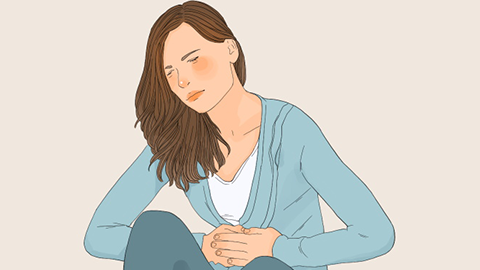
4. Discomfort in the liver region: Inflammation or hepatomegaly stretches the liver capsule, causing dull, aching pain or a sensation of fullness in the right upper quadrant of the abdomen. Such discomfort often worsens after excessive physical exertion, alcohol consumption, or intake of fatty foods. Pain is typically mild and intermittent, frequently misattributed to nonspecific chest or abdominal discomfort.
5. Bleeding tendency: Impaired synthesis of coagulation factors by damaged hepatocytes compromises hemostasis. This may present as spontaneous gingival bleeding, epistaxis (nosebleeds), or easy bruising following minor trauma. Prolonged bleeding time after injury signals significant hepatocellular injury.
Maintain regular sleep-wake cycles, avoid alcohol entirely, limit intake of high-fat and high-oil foods, refrain from self-medicating with unproven remedies or over-the-counter drugs, and undergo routine liver function tests to monitor hepatic health proactively.


