


What does “intrahepatic calcification focus” mean?

Intrahepatic calcifications are old, benign, and stable calcified foci formed following localized hepatic tissue repair. They commonly result from prior mild inflammation or minor injury and subsequent healing, representing a benign and stable hepatic change. However, if intrahepatic calcifications are accompanied by hepatic discomfort or abnormal liver function tests, prompt medical evaluation and screening are warranted.
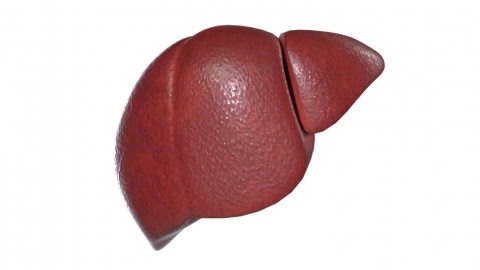
Intrahepatic calcifications typically occur after minor hepatic injury and repair. Even mild prior hepatic inflammation or transient local fluctuations in blood supply can cause hepatocyte damage; during the body’s natural repair process, calcium deposits accumulate, ultimately forming calcified lesions. These lesions do not progress over time and do not impair normal liver function. Most individuals require no specific treatment—only regular monitoring and follow-up is necessary.
In rare cases, intrahepatic bile duct stones or recurrent chronic hepatic inflammation may also trigger calcification formation. When the number or size of calcified foci increases, underlying hepatic pathology should be investigated. For patients with active hepatic inflammation, hepatoprotective therapy and anti-inflammatory interventions can help stabilize liver status, prevent recurrent local tissue injury, and halt further progression of calcification.
In daily life, maintain a light, low-fat diet; adhere to regular sleep patterns and avoid staying up late; limit alcohol consumption; and engage in consistent, moderate physical activity. These measures support healthy hepatic metabolism and hepatocyte function, thereby reducing the likelihood of abnormal hepatic tissue repair.


