


How is cholecystitis treated?

Cholecystitis can be managed and improved through various approaches, including dietary regulation, local physical relief measures, antispasmodic and analgesic medications, anti-infective therapy, and surgical intervention. Inflammation of the gallbladder arises when it is irritated or invaded by pathogenic microorganisms. Treatment strategies should be tailored according to disease severity. If persistent high fever with chills or severe, unrelenting abdominal pain occurs, prompt medical evaluation and treatment at a hospital are essential.
1. Dietary Management: During acute episodes, reduce food intake to alleviate the contractile burden on the gallbladder. Once symptoms subside, transition to a low-fat, light diet—avoiding fried, high-fat, and high-cholesterol foods. Maintain regular meal timing, avoid overeating or binge eating, minimize excessive bile stasis, and thereby reduce ongoing stimulation of the gallbladder.
2. Local Physical Relief: During active inflammation, maintain bed rest and limit physical activity. Apply gentle warmth to the abdominal region to ease smooth muscle spasm in the gallbladder. Avoid forceful pressure, massage, or manipulation of the painful abdominal area; inappropriate external force may exacerbate gallbladder congestion and edema, further intensifying the internal inflammatory response.
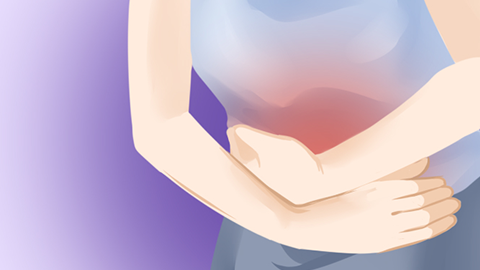
3. Antispasmodic and Analgesic Medication Therapy: For pronounced biliary colic, antispasmodic and analgesic agents may be used to relax the gallbladder’s smooth muscle and relieve spasm-related pain. Strictly adhere to prescribed dosages and monitor for any physiological changes. Do not self-administer analgesics indiscriminately, as this may mask true clinical manifestations and delay accurate diagnosis and management.
4. Anti-Infective Therapy: When bacterial infection triggers cholecystitis, anti-infective agents should be selected and administered based on the actual clinical condition to suppress pathogen proliferation within the gallbladder. Complete the full course of prescribed antibiotics to eradicate inflammation in the gallbladder wall. Combine pharmacotherapy with appropriate dietary rest to support recovery and reduce the risk of chronic inflammation.
5. Surgical Intervention: Surgery is indicated for recurrent or frequent cholecystitis episodes, or when complications such as gallbladder abscess or perforation develop. Cholecystectomy (removal of the diseased gallbladder) eliminates the source of recurrent inflammation. Preoperative comprehensive assessment and postoperative convalescence are essential, including adaptation to altered bile metabolism following gallbladder removal.
During recovery, strictly control dietary fat intake, chew food thoroughly, avoid overeating, maintain regular sleep-wake cycles, and undergo periodic follow-up examinations to assess gallbladder status—thereby minimizing all potential triggers of cholecystitis recurrence.


