


What Are the Symptoms of Cholecystitis?

Cholecystitis symptoms include right upper quadrant abdominal pain, postprandial bloating and belching, nausea and vomiting, referred discomfort to the shoulder and back, and fever. Inflammation of the gallbladder impairs its contractile function and causes mucosal congestion and edema, leading to various systemic discomforts. If you experience persistent, severe abdominal pain or high fever that does not subside, seek prompt medical evaluation and treatment at a hospital.
1. Right upper quadrant abdominal pain: During cholecystitis flare-ups, gallbladder mucosal congestion and edema occur, accompanied by frequent smooth muscle spasms, resulting in right upper quadrant pain. Consumption of fatty foods or overeating stimulates gallbladder contraction and exacerbates pain. Chronic inflammation typically manifests as intermittent, dull pain, whereas acute episodes cause persistent abdominal pain.
2. Postprandial bloating and belching: Inflammation disrupts normal gallbladder contraction and disturbs the rhythmic release of bile, slowing digestion. After eating various foods—especially high-fat meals—gas tends to accumulate in the abdomen, causing bloating and belching. These symptoms are often mistaken for common gastrointestinal digestive disorders.
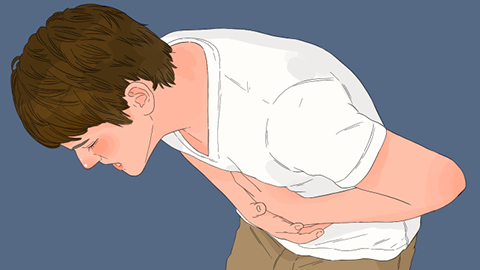
3. Nausea and vomiting: Neural stimulation caused by gallbladder inflammation affects normal gastric physiology, triggering nausea and vomiting. These symptoms commonly coincide with abdominal pain; vomitus typically consists of recently ingested food. As inflammation worsens, the frequency of vomiting increases, impairing normal oral intake.
4. Referred discomfort to the shoulder and back: Neural irritation originating from the gallbladder region may radiate outward, causing dull, aching pain in the right shoulder and upper back. Such discomfort recurs even in the absence of musculoskeletal strain or injury. Only after abdominal inflammatory symptoms resolve do these referred sensations gradually diminish and disappear.
5. Fever: When bacterial infection is present in the gallbladder, the body mounts an immune response, resulting in elevated body temperature. In mild cases, temperature fluctuations are modest; however, as inflammation spreads and intensifies, fever becomes more sustained. Fever serves as an important clinical indicator reflecting both the severity of cholecystitis and dynamic changes in disease progression.
In daily life, maintain a light, low-fat diet; eat regular, balanced meals; avoid overeating or binge eating; and adopt consistent sleep-wake habits (e.g., early to bed and early to rise) to stabilize gallbladder function and reduce the risk of recurrent cholecystitis.


