


How to Relieve Infant Indigestion and Diarrhea

Infant indigestion and diarrhea can be improved through dietary adjustments, abdominal physical care, oral rehydration to prevent dehydration, digestive enzyme supplements, and probiotic regulation of gut flora. Such diarrhea may be triggered by improper feeding practices or immature gastrointestinal function. If the infant develops frequent watery stools, lethargy, or other concerning symptoms, prompt medical evaluation and treatment at a hospital are essential.
1. Dietary Adjustment and Support: After onset of indigestion and diarrhea, appropriately reduce total food intake to alleviate gastrointestinal burden. During the complementary feeding stage, temporarily discontinue fatty foods, sweets, and newly introduced complementary foods; instead, offer bland, easily digestible options such as rice water or thin congee. For breastfed or formula-fed infants, regulate feeding frequency to allow adequate time for gastrointestinal recovery.
2. Abdominal Physical Care: Ensure proper abdominal warmth for the infant to prevent cold exposure, which may further disrupt intestinal motility. Gently massage the abdomen in a clockwise direction, centered on the umbilicus, to relieve intestinal spasms. Apply light, even pressure—avoid vigorous pressing—and perform massage outside of immediate post-feeding periods to minimize additional gastrointestinal stimulation.
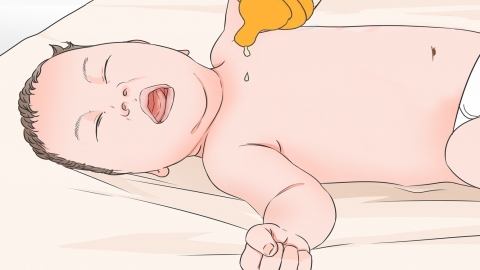
3. Oral Rehydration to Prevent Dehydration: Diarrhea leads to significant loss of fluids and electrolytes; timely rehydration is therefore critical. Offer small, frequent sips of warm water. In cases of moderate-to-severe diarrhea, use commercially available oral rehydration solutions (ORS). Monitor urine output: decreased urination signals inadequate hydration and warrants increased attention to fluid replacement to prevent worsening dehydration.
4. Digestive Enzyme Supplements: If abdominal distension and diarrhea persist without improvement, age-appropriate digestive enzyme preparations may be considered to aid food breakdown and enhance gastrointestinal motility and digestion. Strictly adhere to recommended dosages and avoid prolonged continuous use. Monitor stool consistency and frequency; discontinue the supplement once clinical improvement is observed.
5. Probiotic Regulation of Gut Flora: Dysbiosis exacerbates indigestion-related diarrhea. Probiotic supplementation helps restore intestinal microbial balance, supports mucosal repair, and reduces abnormal bowel movements. Complete the full prescribed course of probiotics while concurrently maintaining appropriate dietary management to strengthen the gut’s intrinsic digestive and defensive capabilities.
Change diapers promptly and protect perianal skin. Record stool frequency and characteristics. Maintain consistent feeding schedules and avoid introducing new complementary foods indiscriminately, thereby minimizing ongoing gastrointestinal stress.


