


What diseases does the DTP vaccine prevent?

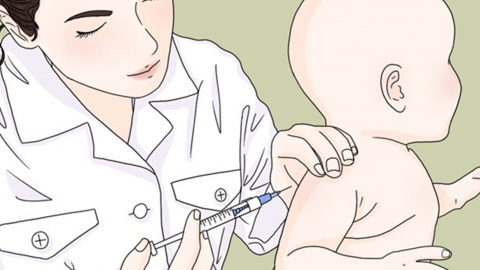
DTaP (diphtheria, tetanus, and acellular pertussis) vaccine is a combination vaccine for children that simultaneously protects against pertussis (whooping cough), diphtheria, and tetanus. It works by stimulating the body to produce specific antibodies that block invasion by the corresponding pathogenic bacteria. If persistent high fever or severe local redness and swelling occur after vaccination, prompt medical attention is required.
Pertussis is caused by infection with *Bordetella pertussis* and manifests as prolonged, paroxysmal, spasmodic coughing. Infants and young children are particularly prone to complications such as pneumonia and encephalopathy, posing serious threats to their health. In diphtheria, the causative bacteria form a pseudomembrane in the pharynx that can obstruct breathing; additionally, the bacterial toxin may damage myocardial tissue. Tetanus bacteria enter the body through wounds, and their toxin attacks the nervous system, leading to muscle spasms.
Treatment of these three diseases is complex once they develop and can inflict significant harm on children’s bodies. Pertussis management primarily involves antimicrobial therapy and symptomatic supportive care; diphtheria requires administration of antitoxin in conjunction with antibiotics; and tetanus necessitates comprehensive interventions including sedation and antimicrobial therapy. Completing the full course of vaccination significantly reduces the risk of infection and lessens the severity of bodily damage should infection occur.
After vaccination, ensure adequate rest, increase fluid intake, avoid vigorous physical activity, closely monitor changes in physical condition, and maintain a light, easily digestible diet—these measures support optimal immune response and help minimize adverse reactions.


