


What Are the Early Symptoms of Brain Tumors in Children?

Early symptoms of pediatric brain tumors include recurrent headaches and vomiting, visual and visual field abnormalities, macrocephaly (enlarged head circumference), abnormal limb movement, and changes in mental status or personality. As an intracranial mass progressively compresses brain tissue, it disrupts intracranial pressure and neural function, producing various physical signs. If persistent projectile vomiting or frequent falls while walking occur, prompt medical evaluation and treatment are essential.
1. Recurrent Headaches and Vomiting: Intracranial tumors elevate intracranial pressure, leading to intermittent headaches in children—often more pronounced at night or upon waking. Vomiting commonly accompanies these headaches and may occur independently of food intake. Younger children may be unable to verbalize headache pain and instead exhibit irritability or inconsolable crying; careful observation is required for accurate recognition.
2. Visual and Visual Field Abnormalities: Tumor compression of the optic nerve results in progressive vision loss and blurred vision. Some children experience constricted visual fields, leading to frequent collisions with surrounding objects during play. Affected children may unconsciously move closer to the television or books while reading—a behavior often misattributed to simple myopia, thereby delaying consideration of underlying intracranial pathology and missing critical early diagnostic opportunities.
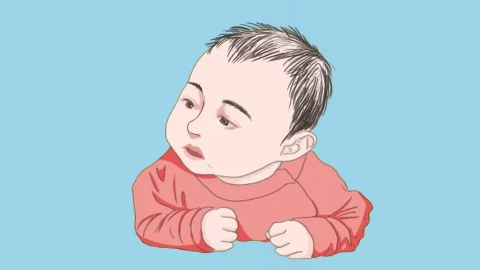
3. Macrocephaly (Enlarged Head Circumference): In infants and very young children, whose cranial sutures have not yet fused, persistently elevated intracranial pressure causes outward expansion of the skull. Head circumference measurements significantly exceed age-matched norms, and widening of cranial sutures may be observed. This sign is most common in infants and represents a classic external indicator of increased intracranial pressure.
4. Abnormal Limb Movement: Compression of brain tissue by a tumor can impair motor neurons, resulting in diminished muscle strength. Clinical manifestations include gait instability, poor coordination, and unilateral weakness in arms or legs. When such motor abnormalities persist despite exclusion of trauma or other external causes, further diagnostic evaluation is warranted to identify the underlying etiology.
5. Changes in Mental Status or Personality: Pathological stimulation of cerebral tissue may alter a child’s behavioral and emotional state. Previously active, cheerful children may become apathetic and excessively sleepy; others may display increased irritability, agitation, or markedly impaired attention. Sleep-wake cycles may also become disrupted. Because these manifestations closely resemble common emotional or behavioral issues, comprehensive assessment—including correlation with other clinical signs—is essential for accurate diagnosis.
Routinely monitor your child’s head circumference, vision, and motor development. Any unexplained abnormalities should prompt timely medical consultation—early imaging studies are crucial for prompt identification and intervention.


