


What Are the Symptoms of ADHD in Children?

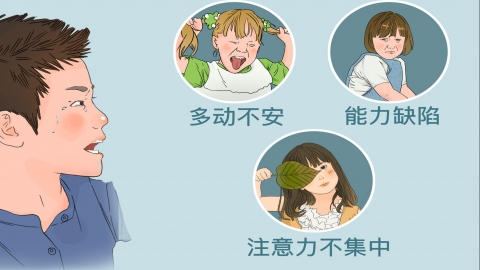
Children with attention-deficit/hyperactivity disorder (ADHD) commonly exhibit symptoms such as difficulty sustaining attention, excessive physical activity, impulsive behavior, impaired academic performance, and challenges in interpersonal relationships. These issues typically emerge during childhood and can significantly interfere with the child’s learning, daily functioning, and social interactions. If a child displays persistent, severe disruptions in the classroom—such as an inability to follow instructions or comply with discipline—it is essential to seek timely evaluation and treatment at a hospital.
1. Difficulty Sustaining Attention: The child struggles to maintain focus on tasks for extended periods; both homework completion and play activities are frequently interrupted by distractions. Even minor external stimuli easily divert their attention. They often misplace books, stationery, or other belongings and have trouble remembering multi-step instructions. This is not due to willful inattention but rather reflects an underlying neurobiological difficulty in maintaining stable, sustained concentration.
2. Excessive Physical Activity: The child displays marked physical restlessness and finds it extremely difficult to sit still. In class, they fidget constantly and shift positions repeatedly. At home, they run around incessantly, climb furniture, and struggle to engage in quiet, sedentary play. Even before bedtime, they remain overly excited and energetic—demonstrating significantly higher levels of physical activity compared to peers of the same age.
3. Impulsive Behavior: The child rarely considers consequences before acting. They frequently interrupt others’ conversations, grab objects from peers without permission, and blurt out answers before questions are fully asked. Conflicts and arguments with peers occur readily—not out of deliberate mischief, but due to markedly underdeveloped self-regulation and impulse control.
4. Impaired Academic Performance: Attention deficits hinder information processing during lessons, resulting in procrastination, careless work, and repeated errors. Although most children with ADHD possess average or above-average intelligence, their academic performance tends to fluctuate widely. Over time, this inconsistency may erode self-confidence and foster increasing resistance to academic tasks—creating a vicious cycle of underachievement and diminished motivation.
5. Difficulties in Interpersonal Relationships: Impulsive and hyperactive behaviors often lead to friction in peer interactions. The child may fail to understand or adhere to game rules, making them prone to social rejection or exclusion by peers. Some children develop feelings of low self-worth, which may further impede healthy personality development. Effective intervention requires coordinated support from both family and school.
Families should strive to provide the child with a stable, predictable daily routine; emphasize positive reinforcement over harsh criticism; and collaborate closely with schools to implement consistent behavioral guidance—thereby supporting the child’s gradual development of self-regulation and executive functioning skills.


