


What Is Jaundice?

Jaundice is not an independent disease but rather a group of symptoms caused by abnormal bilirubin metabolism in the body, characterized by yellowing of the skin and sclera. It may occur in newborns or in individuals with liver, biliary, or hematologic disorders. Persistent skin yellowing warrants prompt medical evaluation to identify the underlying cause.
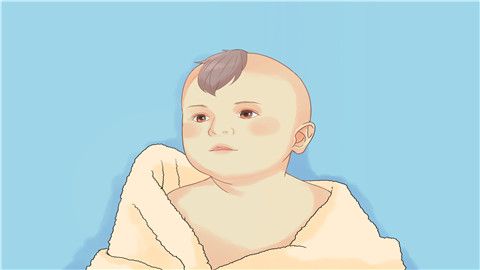
Bilirubin originates from the breakdown of aged red blood cells and is processed by the liver before being excreted from the body via bile. Excessive red blood cell destruction, impaired hepatic processing capacity, or obstruction of the biliary tract can all lead to bilirubin accumulation and subsequent jaundice. Physiological jaundice in newborns typically resolves spontaneously as the infant’s metabolic systems mature; pathological jaundice, however, often requires therapeutic interventions such as phototherapy (blue light exposure) or pharmacologic treatment to enhance bilirubin elimination.
In adults, jaundice usually signals organ damage—common causes include viral hepatitis, biliary stones, and hemolytic disorders. Management strategies differ depending on the underlying etiology: biliary obstruction necessitates relief of the mechanical blockage, whereas hepatic injury primarily calls for hepatoprotective and supportive therapy. Accurately identifying and targeting the root cause enables timely intervention, thereby minimizing tissue damage associated with prolonged bilirubin accumulation.
In daily life, maintaining balanced meals across three regular meals, avoiding alcohol and mold-contaminated foods, ensuring adequate sleep, and—in newborns—increasing feeding frequency can all help accelerate metabolic turnover and reduce bilirubin retention and accumulation in the body.


