


How many times per day is it normal for a newborn to have a bowel movement?

There is no fixed number of daily bowel movements for newborns; frequency varies between breastfed and formula-fed infants. Bowel movement frequency tends to be higher in the early days after birth and gradually decreases over time. If a newborn exhibits bloody stools or watery diarrhea accompanied by lethargy, prompt medical evaluation is essential to identify and address potential underlying conditions.
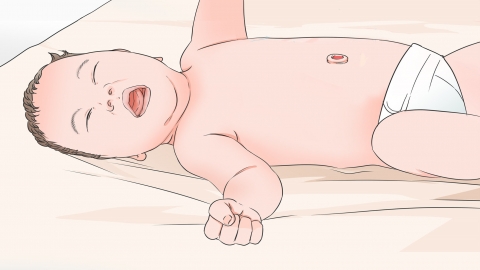
In breastfed newborns, intestinal digestion is relatively rapid, resulting in bowel movements ranging from three to eight times per day; stools are typically golden-yellow and soft-pasty in consistency. Formula-fed newborns generally have fewer bowel movements—about one to four times daily—with slightly thicker, more formed stools. As long as feeding remains consistent, the infant appears content, and weight gain progresses steadily, occasional fluctuations in stool frequency fall within the normal range and do not require specific intervention.
Some newborns may experience “stool retention” (also known as “infant constipation-like pattern”), where bowel movements occur only every few days, yet stools remain soft and unformed—often reflecting improved digestive efficiency and nutrient absorption. In contrast, during gastrointestinal infection, bowel movement frequency increases sharply, and stools may contain mucus or streaks of blood. Management of gastrointestinal infection focuses primarily on oral rehydration and restoration of healthy gut microbiota to prevent dehydration-related complications and support optimal intestinal function.
Change diapers promptly and gently cleanse the buttocks with each change to maintain skin dryness and integrity. Carefully regulate feeding volume and frequency to avoid overfeeding, thereby minimizing gastrointestinal strain and promoting stable intestinal function in newborns.


