


What Are the Symptoms of Hepatitis?

Common symptoms of hepatitis include generalized fatigue and weakness, decreased appetite with aversion to greasy foods, discomfort in the hepatic region, jaundice (yellowing of the skin and sclera), and changes in urine and stool color. When hepatocytes are damaged, the liver’s metabolic and detoxification functions decline, leading to abnormalities across multiple body systems. If obvious jaundice or persistent nausea and vomiting occur, prompt medical evaluation and treatment are essential.
1. Generalized fatigue and weakness: The liver plays a key role in energy metabolism. Hepatocyte damage impairs energy production, resulting in easy fatigue and lethargy. Even simple daily activities may cause exhaustion, and rest often fails to restore energy. In early stages, some individuals experience only fatigue without other noticeable symptoms—making this sign easily overlooked.
2. Decreased appetite and aversion to greasy foods: The liver secretes bile to aid fat digestion. During hepatitis, bile secretion is disrupted. Patients experience reduced appetite and nausea upon seeing or consuming fatty foods, often accompanied by abdominal distension. Prolonged reduction in food intake leads to inadequate nutrient intake, further exacerbating fatigue.
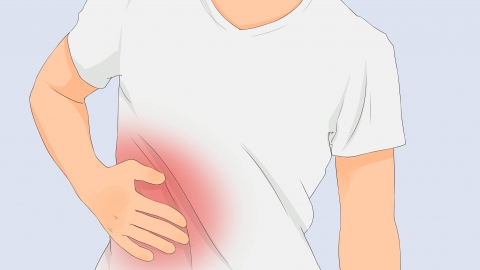
3. Discomfort in the hepatic region: Hepatic inflammation stretches the liver capsule, causing dull pain or a sensation of fullness or pressure in the right upper abdomen. Such discomfort typically worsens after physical exertion or consumption of fatty meals. Pain is usually not severe or colicky but rather intermittent and recurrent—requiring differentiation from gallbladder or gastrointestinal disorders.
4. Jaundice (yellowing of the skin and sclera): Impaired hepatic processing of bilirubin leads to its accumulation, manifesting as jaundice. Gradual yellowing of the sclera and skin indicates significant hepatocellular injury. The severity of jaundice often correlates with the degree of hepatic inflammation.
5. Changes in urine and stool color: Bilirubin metabolism disturbances increase urinary bilirubin levels, darkening urine to a tea-like hue. Conversely, biliary obstruction reduces bilirubin excretion into the intestines, lightening stool color—sometimes to pale gray or clay-white. These urinary and fecal changes serve as critical clinical indicators of active hepatitis.
In daily life, maintain a light, balanced diet; avoid alcohol and mold-contaminated foods; adhere to regular sleep-wake cycles; and seek timely hepatic function testing if unexplained fatigue or loss of appetite arises—thereby minimizing ongoing liver damage.


