


How to Eliminate Fatty Liver

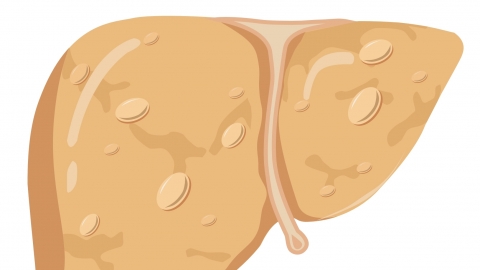
Fatty liver disease can be gradually reversed through dietary modifications, consistent physical activity, improved sleep-wake cycles, adjunctive liver-protective interventions, and standardized medical monitoring. It is commonly triggered by metabolic abnormalities and imbalances in diet and lifestyle. Mild cases can often be reversed solely through lifestyle interventions, whereas more severe cases require coordinated clinical management. If persistent right upper quadrant discomfort or recurrent abnormalities in liver function tests occur, prompt medical evaluation and treatment are essential.
1. Dietary Modification: Regulate daily food intake by reducing consumption of high-fat, high-sugar, and high-calorie foods—especially fried, highly processed, and calorie-dense snacks. Increase the proportion of whole grains, vegetables, and high-quality protein sources in your diet. Maintain regular, balanced meals three times daily and avoid overeating or late-night snacking. These measures help stabilize systemic metabolism and reduce hepatic fat accumulation.
2. Consistent Physical Activity: Engage regularly in moderate-intensity exercise such as brisk walking, slow jogging, yoga, or aerobic workouts. Aim for sufficient weekly exercise duration to enhance caloric expenditure and accelerate breakdown of excess body fat. This reduces visceral fat deposition, improves overall metabolic efficiency, and progressively alleviates hepatic steatosis.
3. Improved Sleep-Wake Rhythm: Adopt a consistent early-to-bed, early-to-rise schedule and avoid chronic sleep deprivation or circadian disruption (e.g., frequent night shifts or staying up late). Adequate, high-quality sleep supports normal hepatic metabolism and self-repair mechanisms while stabilizing endocrine function. Abstain completely from alcohol, which exacerbates hepatocyte steatosis and worsens fatty liver progression.
4. Adjunctive Hepatoprotective Interventions: When liver function abnormalities arise, follow evidence-based, professional guidance for hepatoprotective therapy to support repair of injured hepatocytes and restore normal hepatic metabolic function. Avoid behaviors harmful to the liver—including indiscriminate use of dietary supplements or over-the-counter “health products”—which may impose additional metabolic burden on the liver and hinder resolution of fatty liver.
5. Standardized Medical Monitoring: Undergo routine abdominal ultrasound and liver function testing to monitor changes in fatty liver severity over time. Mild fatty liver typically improves with sustained lifestyle intervention alone; however, moderate-to-severe cases warrant long-term surveillance. Adjust dietary and exercise regimens based on test results to prevent progression toward hepatic fibrosis.
Maintain a stable, healthy body weight—avoid rapid weight gain or loss—and cultivate psychological well-being. Commit to lifelong health management to sustain optimal hepatic metabolic function and prevent recurrence of fatty liver disease.


