


How is liver function tested?

Liver function can be comprehensively evaluated through proper pre-examination preparation, basic liver function tests, hepatic imaging studies, liver elastography, and etiology-specific screening. A combination of these diagnostic modalities enables a thorough assessment of hepatocyte status, hepatic metabolic capacity, and overall liver structure. If persistent fatigue, recurrent discomfort in the right upper quadrant (liver area), or similar symptoms occur, prompt medical consultation and treatment are advised.
1. Pre-examination Preparation: Prior to liver function testing, patients must fast—abstaining from both food and water—for a duration meeting clinical laboratory requirements. For several days before the test, maintain a light, low-fat, low-sugar diet; avoid alcohol entirely; and adhere to regular sleep-wake cycles. A stable physiological state minimizes external interference, ensuring accurate and reliable test results.
2. Basic Liver Function Tests: These involve venous blood sampling to measure key biochemical parameters—including alanine aminotransferase (ALT), aspartate aminotransferase (AST), total and direct bilirubin, albumin, and others. These indicators reflect the presence or absence of hepatocellular injury, the integrity of bilirubin metabolism, and the stability of hepatic synthetic function. This remains the most routine and fundamental examination for detecting primary hepatic pathology.
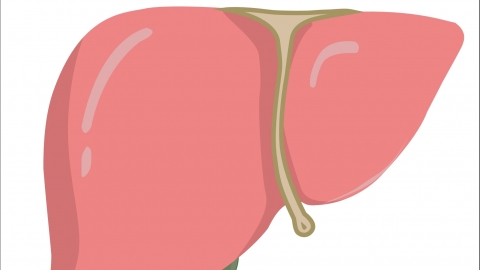
3. Hepatic Imaging Studies: Abdominal ultrasound is the primary modality used to assess liver morphology, size, and parenchymal architecture—helping identify organic changes such as fatty liver disease, hepatic cysts, or hepatomegaly. This non-invasive technique provides direct visualization of structural alterations, enabling detection of hepatic steatosis, abnormal tissue proliferation, and other morphological abnormalities.
4. Liver Elastography: This non-invasive technique quantifies liver stiffness and fat attenuation, thereby evaluating the severity of hepatic fibrosis and steatosis. Suitable for routine screening across diverse populations, it accurately differentiates mild fat accumulation from severe hepatocellular damage—providing objective data to guide subsequent lifestyle interventions and therapeutic strategies.
5. Etiology-Specific Screening: Based on initial findings, targeted investigations are performed—including viral hepatitis serology (e.g., HBV, HCV) and metabolic profiling (e.g., fasting glucose, lipid panel, ferritin). Such testing clarifies the underlying cause of liver dysfunction—distinguishing between infectious etiologies (e.g., viral hepatitis), metabolic disorders (e.g., NAFLD/NASH), and lifestyle-related insults (e.g., alcohol-induced injury)—enabling precise identification of the root cause.
Regular comprehensive liver health assessments, adherence to a low-fat balanced diet, consistent sleep schedules (avoiding late-night activity), and complete abstinence from alcohol are essential for sustaining optimal liver function and minimizing the risk of hepatic injury.


