


Can patients with liver cancer eat seafood?

When a patient with liver cancer is in a stable condition, small amounts of fresh seafood may be consumed. Seafood provides high-quality protein; however, during the decompensated phase of liver function, its intake must be strictly restricted. If abdominal distension, diarrhea, or skin abnormalities occur after consumption, prompt medical evaluation is essential to assess the patient’s overall health status.
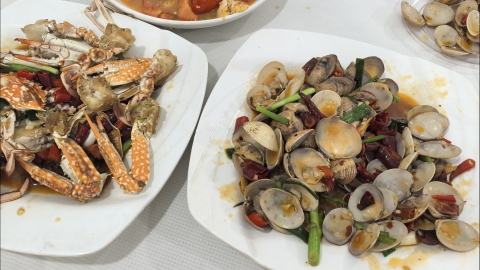
Fresh seafood is rich in high-quality protein and various trace elements. For liver cancer patients whose general health remains relatively stable, moderate intake can help offset bodily losses and sustain essential nutritional requirements. Seafood must be thoroughly cooked, and spoiled or deteriorated products must be avoided to minimize infection risk from pathogenic bacteria. Portion control is critical—avoid excessive single-meal consumption, which may overburden hepatic digestive capacity.
During the decompensated phase of liver function, the liver’s metabolic and detoxification capabilities decline significantly. Excessive protein intake increases the risk of associated complications; therefore, seafood consumption should be reduced or discontinued entirely. Individualized interventions should be implemented based on the patient’s clinical status to control tumor progression, restore hepatic functional balance, and slow disease advancement.
In daily life, meals should incorporate soft, easily digestible foods. Protein and carbohydrates should be balanced appropriately, while regular sleep-wake cycles and avoidance of excessive physical strain help preserve baseline nutritional status and minimize unnecessary metabolic demands on the body.


