


Can patients with fatty liver disease consume fatty meat?

Fatty liver patients are advised to avoid consuming fatty meats, which contain high levels of saturated fat. Excessive intake can exacerbate hepatic lipid accumulation and impede liver recovery. While an occasional, extremely small amount is unlikely to cause serious harm, habitual consumption must be avoided. If liver function test results remain persistently abnormal, prompt medical evaluation and follow-up are essential.
Fatty meats are rich in saturated fats, which—once ingested—are converted into lipids within the body. Excess lipids accumulate progressively inside hepatocytes, worsening the severity of fatty liver disease. For mild cases, the first-line intervention involves dietary modification combined with regular physical activity to reduce excess body fat and promote gradual hepatocyte repair, thereby alleviating intrahepatic fat accumulation.
Some individuals with fatty liver also present with elevated blood lipid levels; consuming fatty meats may further disrupt lipid metabolism, aggravating associated metabolic disorders. When fatty liver progresses to the inflammatory stage (steatohepatitis), lifestyle modifications alone are insufficient—adjunctive interventions targeting metabolic parameters are required to prevent progression toward more severe liver pathology.
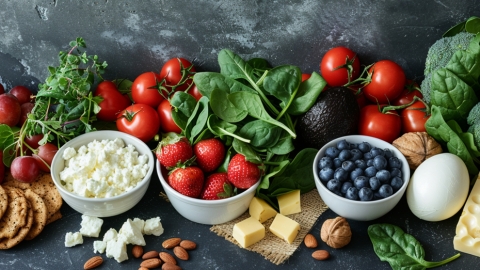
In daily life, replace animal fats with plant-based oils, increase intake of fresh vegetables and whole grains, maintain regular physical activity, control total caloric intake, gradually reduce overall body fat stores, and support normal hepatocyte function.


