


What Should You Do in Case of Sudden Myocardial Infarction?

Acute myocardial infarction (AMI) is a life-threatening emergency requiring immediate action. Management includes promptly ceasing all physical activity, resting in an appropriate position, calling emergency medical services, monitoring vital signs, and cooperating fully with in-hospital treatment. Timely and appropriate on-site intervention can significantly reduce mortality and buy critical time for subsequent definitive care. Seek immediate medical attention if experiencing symptoms such as severe, crushing chest pain, profuse sweating, chest tightness, or shortness of breath.
1. Immediately cease all activity: Upon recognizing symptoms suggestive of myocardial infarction, stop all movement immediately—do not walk or exert yourself. Any physical activity increases myocardial oxygen demand, thereby worsening myocardial ischemia and necrosis. Bystanders should not assist the patient in walking, as improper movement may further increase cardiac workload and expand the area of myocardial injury.
2. Rest in an appropriate position: Adjust the patient’s posture according to comfort and symptoms: a semi-recumbent position is recommended for marked chest tightness or dyspnea; lying flat is preferable if the patient feels dizzy or weak. Loosen collars, belts, or other constrictive clothing to ensure adequate air circulation. Calm the patient to minimize anxiety and agitation. Do not administer food or fluids, as this may provoke vomiting and subsequent aspiration, posing additional risks.
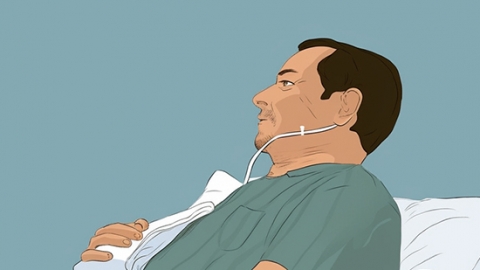
3. Call emergency medical services immediately: Contact emergency services without delay, clearly stating the location, the patient’s primary symptoms, and the general situation. Do not attempt to drive the patient to the hospital yourself—acute deterioration may occur en route. While awaiting help, closely monitor the patient’s condition and provide continuous on-site supervision. Avoid unnecessary movement or repositioning of the patient.
4. Monitor vital signs: Continuously observe the patient’s level of consciousness, respiration, and pulse. If the patient becomes unresponsive and breathing and pulse cease, initiate cardiopulmonary resuscitation (CPR) immediately. Continue CPR until professional emergency personnel arrive. This intervention helps maintain basic circulation and improves the patient’s chance of survival.
5. Cooperate with in-hospital treatment: Once admitted, comply fully with medical staff instructions, undergo necessary diagnostic tests promptly, and receive indicated therapies. The earlier treatment begins after symptom onset, the greater the clinical benefit. Avoid delaying evaluation or therapy due to hesitation. Family members should thoroughly understand the diagnosis and treatment plan, and actively support timely, evidence-based clinical decisions to prevent missed opportunities for effective intervention.
Routine management includes strict control of blood pressure and lipid levels, smoking cessation, abstinence from alcohol, maintenance of emotional stability, and avoidance of excessive physical exertion—especially among high-risk individuals. Do not ignore or “push through” any chest discomfort; seek prompt cardiac evaluation instead.


