


Does high diastolic blood pressure require medication?

Diastolic blood pressure elevation does not necessarily require immediate pharmacological treatment. For mild elevations, lifestyle interventions should be prioritized first. If the diastolic pressure remains persistently above target levels despite lifestyle modifications, pharmacological therapy should then be initiated. Recurrent dizziness or a sensation of head fullness, along with chronically elevated blood pressure, warrants prompt medical evaluation.
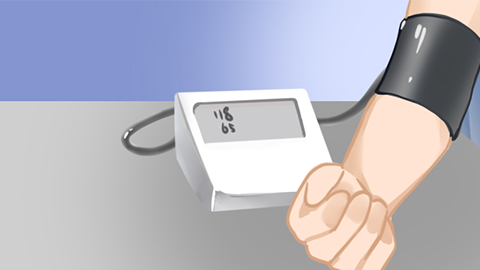
Diastolic hypertension is commonly observed in young and middle-aged adults and is often associated with factors such as sleep deprivation, mental stress, obesity, and excessive dietary sodium intake. In cases of mild diastolic elevation without coexisting chronic conditions, initial management should focus on lifestyle adjustments and regular blood pressure monitoring. After several weeks of consistent observation, many individuals experience gradual normalization of their blood pressure—thus avoiding the need for antihypertensive medications at this stage.
Prolonged elevation of diastolic blood pressure can cause progressive damage to blood vessels and vital organs—including the heart and kidneys. If blood pressure remains uncontrolled despite optimal lifestyle interventions, antihypertensive drug therapy becomes necessary to achieve and maintain target blood pressure levels. Patients with comorbid diabetes mellitus or coronary artery disease require stricter blood pressure control targets and earlier initiation of pharmacotherapy to minimize target-organ damage.
Reducing sleep deprivation and mental stress, maintaining a healthy body weight, limiting alcohol consumption, engaging regularly in aerobic exercise, routinely recording blood pressure readings, and preserving vascular elasticity all contribute to stabilizing and normalizing blood pressure.


