


What Causes Dizziness in Older Adults?

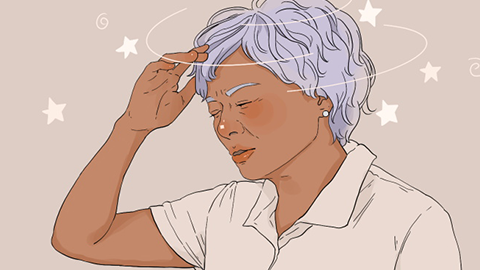
Dizziness in older adults may result from sudden postural changes, sleep deprivation or excessive fatigue, orthostatic hypotension, cerebral arteriosclerosis, vestibular neuritis, and other causes. Symptoms can be improved by slowing movement pace, ensuring adequate rest, and using targeted medications. However, if dizziness occurs frequently or is accompanied by other discomforts, prompt medical evaluation is essential.
1. Sudden postural changes: With aging, vascular regulatory capacity declines; abruptly standing up or turning over can cause transient fluctuations in cerebral blood supply. Brief cerebral hypoxia may lead to transient dizziness or a sensation of heaviness in the head. It is recommended to rise or turn slowly, avoiding rapid postural shifts to minimize fluctuations in cerebral perfusion.
2. Sleep deprivation and excessive fatigue: Chronic poor sleep quality and physical exhaustion impair the nervous system’s regulatory function. When the brain remains in a fatigued state, persistent mild dizziness and lethargy may occur. Maintaining regular sleep-wake schedules, ensuring sufficient rest, minimizing physical exertion, and avoiding overexertion are advised.
3. Orthostatic hypotension: Reduced arterial elasticity in older adults delays blood pressure adjustment during postural changes, resulting in transient hypotension. Inadequate cerebral perfusion may cause dizziness, lightheadedness, and—in severe cases—postural instability. Under physician guidance, medications such as Shengmai Oral Liquid, Midodrine Hydrochloride Tablets, and Vitamin C Tablets may be used to alleviate symptoms.
4. Cerebral arteriosclerosis: Age-related degenerative changes in blood vessels lead to hardening and narrowing of cerebral arteries, reducing cerebral blood flow velocity. Chronic cerebral hypoperfusion and hypoxia may cause recurrent dizziness and a persistent sensation of mental fogginess or head heaviness. Under medical supervision, patients may use Aspirin Enteric-Coated Tablets, Atorvastatin Calcium Tablets, and Ginkgo Biloba Extract Tablets to relieve symptoms.
5. Vestibular neuritis: Mild viral infection of the vestibular nerve triggers inflammation, disrupting balance perception. This leads to vertigo or dizziness, sometimes accompanied by mild nausea. Under physician guidance, medications such as Mecobalamin Tablets, Vitamin B1 Tablets, and Difenidol Tablets may be prescribed to improve symptoms.
In daily life, maintain regular作息 (sleep-wake cycles), ensure adequate sleep, change body positions gradually, follow a light, low-fat diet, engage in moderate low-intensity exercise, and sustain stable cardiovascular and neurological health.


