


How is cerebral thrombosis treated?

Cerebral thrombosis can be managed through various approaches, including daily foundational care, rehabilitative physical therapy, antithrombotic drug therapy, control of risk factors, and surgical intervention. Treatment plans must be individualized based on the stage of disease onset, lesion location, and the patient’s baseline health status to minimize cerebral tissue damage and reduce recurrence risk. Prompt medical evaluation and treatment are essential if symptoms such as worsening hemiparesis, altered consciousness, or vomiting occur.
1. Daily Foundational Care: Following onset, ensure adequate rest and maintain stable blood pressure and blood glucose levels. Provide basic care focusing on airway management and nutrition. Adopt a light, easily digestible diet that ensures adequate nutritional intake to prevent secondary complications such as pulmonary infection and pressure ulcers. Stabilizing overall physiological status creates optimal conditions for subsequent therapeutic interventions.
2. Rehabilitation and Physical Therapy: Once the condition has stabilized, initiate structured rehabilitation programs targeting motor function, speech, and swallowing impairments. Utilize physical modalities to improve peripheral circulation, strengthen muscles, and enhance coordination. Progressively advance training intensity to facilitate gradual recovery of impaired neural functions and mitigate long-term sequelae.
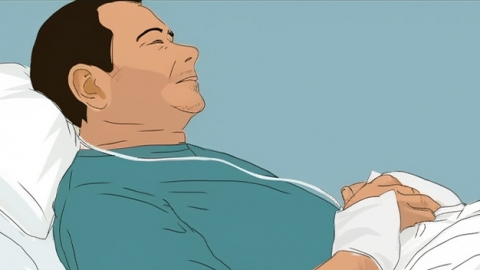
3. Antithrombotic Drug Therapy: Initiate standardized antithrombotic medication promptly after diagnosis to inhibit abnormal platelet aggregation, halt thrombus extension, and lower the risk of new thrombus formation. Strict adherence to prescribed treatment duration is mandatory—patients must not discontinue therapy without medical guidance. These medications help preserve residual brain tissue and reduce the likelihood of recurrent cerebral thrombosis.
4. Risk Factor Management: Closely monitor and control fundamental parameters—including blood pressure, lipid profile, and blood glucose—to improve the intravascular microenvironment and slow the progression of atherosclerosis. Modify dietary habits and sleep-wake patterns, and eliminate tobacco and alcohol use to minimize ongoing vascular injury. Maintaining all key indicators within target ranges helps reduce recurrence risk at its source.
5. Surgical Intervention: In select severe cases meeting specific criteria, surgical procedures may be performed to relieve vascular occlusion and reduce intracranial pressure. Such interventions are typically reserved for patients in the acute phase with life-threatening deterioration and limited response to conservative management. Surgery can salvage ischemic brain tissue and significantly decrease mortality and disability rates associated with severe cerebral thrombosis.
In daily life, adopt a low-salt, low-fat diet; engage in regular, moderate physical activity; maintain emotional stability; and undergo routine follow-up assessments of vascular health indicators—thereby minimizing modifiable triggers for recurrent cerebral thrombosis.


