


What Are the Types of Hypertension?

Types of hypertension include primary (essential) hypertension, secondary hypertension, benign (slowly progressive) hypertension, malignant (rapidly progressive) hypertension, and isolated systolic hypertension. These types differ in their underlying causes, rate of onset, characteristic blood pressure patterns, and degree of systemic harm. Clinically, treatment is tailored according to the specific subtype. If you experience frequent symptoms such as dizziness, headache, blurred vision, or palpitations, seek medical evaluation and treatment promptly.
1. Primary (Essential) Hypertension: This is the most common form, accounting for the vast majority of hypertension cases. It is closely associated with genetic predisposition, chronic dietary imbalances (e.g., excessive salt intake), irregular sleep-wake cycles, and emotional stress. Its onset is gradual and progression is typically stable; however, no single definitive cause can be identified. Long-term management—including lifestyle modification and pharmacotherapy—is required to maintain optimal blood pressure control and minimize ongoing vascular damage.
2. Secondary Hypertension: This type results from an identifiable underlying medical condition, commonly involving renal disease, vascular disorders, or endocrine abnormalities. Blood pressure elevation tends to occur abruptly, with marked fluctuations in readings. Conventional antihypertensive strategies often prove insufficient for achieving stable control. Once the underlying condition is effectively treated or resolved, blood pressure frequently normalizes gradually.
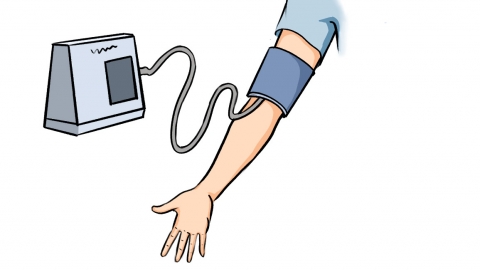
3. Benign (Slowly Progressive) Hypertension: This is the most prevalent clinical presentation of hypertension. In its early stages, patients are typically asymptomatic, with blood pressure rising gradually over time. Disease progression is slow but insidious, causing cumulative damage to the heart, brain, kidneys, and blood vessels. Most individuals are diagnosed incidentally during routine health examinations. Lifelong adherence to comprehensive cardiovascular risk management is essential for stabilizing the condition.
4. Malignant (Rapidly Progressive) Hypertension: Characterized by a rapid onset and sharp rise in blood pressure—particularly diastolic pressure—this form leads to swift end-organ damage. Complications may include severe headache, visual disturbances (e.g., retinopathy), and acute kidney injury. Due to its aggressive progression and high morbidity/mortality risk, prompt specialist evaluation and intensive therapeutic intervention are critical.
5. Isolated Systolic Hypertension: Predominantly observed in middle-aged and older adults, this condition features elevated systolic blood pressure while diastolic pressure remains within the normal range. The pulse pressure (difference between systolic and diastolic pressures) is widened, reflecting widespread arterial stiffness and increased vascular resistance. Patients face heightened risk of cardiovascular and cerebrovascular events; therefore, close monitoring of systolic pressure fluctuations is essential in daily management.
Maintain a low-sodium diet, engage regularly in moderate-intensity physical activity, manage emotional well-being and ensure consistent sleep patterns, monitor blood pressure routinely, and adjust management strategies promptly based on blood pressure trends—to safeguard cardiovascular and cerebrovascular health.


