


Can people with hypotension eat durian?

Individuals with hypotension may consume small amounts of durian. Durian is rich in calories and sugar, which can help replenish bodily energy; however, it does not directly raise blood pressure, and excessive consumption should be avoided. If dizziness or transient visual darkening (e.g., “blackout” episodes) occur frequently, prompt medical evaluation is essential to identify underlying causes.
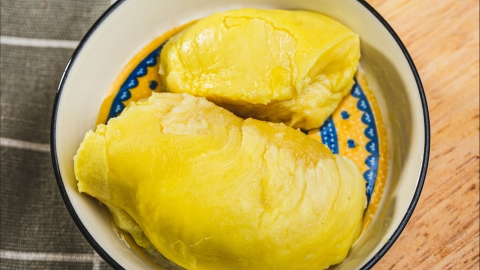
Durian contains carbohydrates, vitamins, and minerals, and has a relatively high caloric density. Consuming it in moderation can help meet the body’s energy requirements and alleviate fatigue associated with hypotension. However, durian possesses no pharmacological blood-pressure–elevating effects and cannot be relied upon to correct hypotension. Excessive intake may cause internal heat accumulation (“excess fire”), gastrointestinal discomfort, bloating, and other disturbances to physiological balance.
Physiological hypotension—often asymptomatic—primarily requires attention to daily lifestyle and dietary adjustments. In contrast, pathological hypotension necessitates identification of its underlying etiology, followed by targeted interventions addressing the root cause. Relying solely on dietary measures is unlikely to significantly alter baseline blood pressure; instead, comprehensive management tailored to the individual’s overall health status is required to minimize risks such as dizziness and falls.
In daily life, maintain adequate hydration, incorporate high-quality protein sources into meals, rise slowly when changing posture, and engage consistently in gentle physical exercise to enhance vascular regulatory function and promote stable physiological homeostasis.


