


What Is Jugular Venous Distention?

Jugular vein distention (JVD) is a clinical sign characterized by abnormal fullness and bulging of the neck veins, indicating impaired venous return to the heart. It commonly reflects dysfunction in cardiopulmonary circulation and is not an independent disease. Persistent jugular vein distention accompanied by chest tightness or shortness of breath warrants prompt medical evaluation.
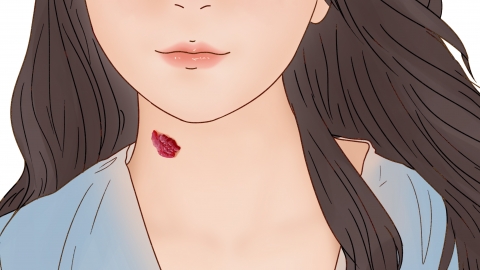
The jugular veins serve as a window into central venous pressure (CVP). Under normal conditions, they are only mildly engorged when lying supine and typically collapse when sitting or standing. Obstruction to venous return leads to blood pooling in the neck veins, resulting in visible distention and bulging. A variety of cardiac and pulmonary disorders can impede venous return, elevate venous pressure, and thereby cause jugular vein distention.
Upon clinical identification of JVD, targeted investigations are conducted to identify underlying cardiac or pulmonary pathology. Treatment is then tailored to the specific etiology—such as diuretic therapy or interventions to improve circulatory function—with the goal of restoring unimpeded venous return and reducing venous pressure. Timely management of the underlying condition gradually alleviates jugular vein engorgement and prevents progressive deterioration of circulatory function.
In daily life, maintaining proper posture—avoiding prolonged forward head positioning that compresses the neck veins—moderating physical exertion, adhering to regular sleep-wake cycles, and nurturing cardiopulmonary health collectively support efficient systemic circulation and help minimize the risk of venous return obstruction.


