


What tests can be performed for hypertension?

Hypertension can be diagnosed through various methods, including baseline blood pressure measurement, ambulatory blood pressure monitoring (ABPM), blood tests, organ function assessment, and vascular imaging studies. These examinations help clarify patterns of blood pressure fluctuation, identify underlying triggers, and evaluate the extent of target-organ damage—thereby facilitating accurate classification of hypertension subtypes and assessment of disease severity. If you experience frequent symptoms such as dizziness, head pressure, elevated morning blood pressure, or palpitations, seek medical evaluation and treatment promptly.
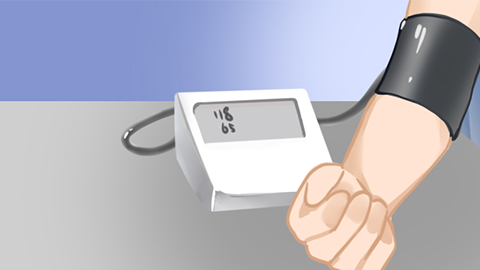
1. Baseline Blood Pressure Measurement: This is the fundamental method for screening hypertension and involves measuring upper-arm blood pressure while the patient is at rest. A single reading is insufficient for diagnosis; multiple measurements taken at different times are required. Standardized measurement allows preliminary identification of elevated blood pressure and helps distinguish between normal blood pressure and sustained hypertension.
2. Ambulatory Blood Pressure Monitoring (ABPM): ABPM continuously records blood pressure throughout the day and night, capturing circadian variations in blood pressure. It enables detection of special hypertension patterns—including nocturnal hypertension and morning hypertension—and helps rule out “white-coat” or stress-induced transient elevations. ABPM thus provides a more accurate reflection of an individual’s true daily blood pressure profile, serving as a reliable basis for clinical assessment.
3. Blood Tests: Blood samples are analyzed for parameters including fasting glucose, lipid profile, liver and kidney function, and electrolytes to identify systemic factors contributing to elevated blood pressure. Abnormalities in these markers may accelerate vascular damage and worsen hypertension. Additionally, such tests help determine whether metabolic disorders coexist with hypertension, thereby guiding personalized lifestyle interventions and therapeutic strategies.
4. Target-Organ Function Assessment: This involves evaluating key target organs—namely the heart, brain, and kidneys—for early signs of hypertensive damage. Routine assessments (e.g., echocardiography, renal function tests) provide insights into cardiac structure and renal functional status, helping detect subtle organ injury before overt clinical manifestations appear. Early identification allows timely intervention to prevent progression to severe complications.
5. Vascular Imaging Studies: Advanced imaging modalities (e.g., carotid ultrasound, CT angiography, MRI) visualize major systemic arteries to assess arterial stiffness, lumen narrowing, intimal thickening, and atherosclerotic plaque formation. These findings clarify whether hypertension has induced structural vascular changes and enable comprehensive risk stratification for future cardiovascular and cerebrovascular events—completing the holistic evaluation of hypertension.
Maintain daily, scheduled blood pressure monitoring; adhere to a low-sodium, low-fat diet; engage in regular physical activity and ensure adequate rest; manage emotional well-being; and undergo periodic follow-up examinations to sustain optimal cardiovascular health.


