


What are the manifestations of cardiogenic pulmonary edema?

Cardiogenic pulmonary edema manifests with dyspnea, cough with sputum production, abnormal facial and physical signs, inadequate systemic perfusion, and altered mental status. This condition arises from deteriorating cardiac pump function, leading to pulmonary congestion and fluid accumulation, which in turn causes multiple abnormalities in the respiratory and circulatory systems. The disease progresses rapidly; therefore, prompt medical evaluation and treatment are essential if symptoms such as orthopnea or frequent expectoration of frothy sputum occur.
1. Dyspnea: Dyspnea is the hallmark symptom of cardiogenic pulmonary edema. Initially, patients typically experience shortness of breath and wheezing following exertion; as the condition worsens, dyspnea occurs even at rest. Patients often adopt an upright (orthopneic) position to alleviate chest tightness—lying supine exacerbates pulmonary congestion and progressively worsens tachypnea. In severe cases, respiratory rate remains persistently elevated, impairing effective gas exchange.
2. Cough and Sputum Production: Frequent coughing develops during the course of illness, with sputum typically white and frothy. In critical stages, sputum may become pink and frothy due to pulmonary capillary hemorrhage. Extensive pulmonary congestion and transudation continuously irritate the airway mucosa, provoking recurrent coughing. Conventional antitussive therapies provide no relief, and sputum production becomes increasingly frequent as cardiac workload escalates.
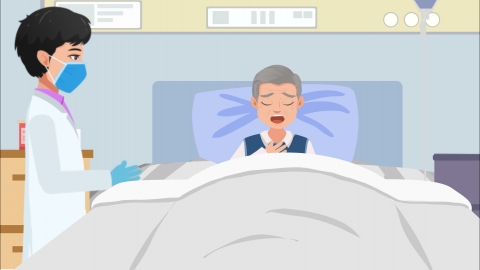
3. Abnormal Facial and Physical Signs: Patients develop cyanosis—bluish discoloration of the lips and face—along with pallor and profuse cold sweating. Tachycardia persists, peripheral skin temperature decreases, and the skin feels cool and clammy. Pulmonary fluid accumulation compresses gas-exchanging tissue, resulting in chronic hypoxia and consequent visible changes in cutaneous signs—these serve as objective indicators of critical illness.
4. Inadequate Systemic Perfusion: Diminished cardiac output reduces systemic blood delivery efficiency, leading to limb weakness, peripheral edema, and blood pressure fluctuations. Hypoperfusion and hypoxia of vital organs cause progressive decline in overall physiological function. Escalating cardiac workload further aggravates circulatory dysfunction, precipitating additional systemic symptoms.
5. Altered Mental Status: Chronic hypoxia and circulatory instability directly compromise cerebral perfusion, causing restlessness and mental confusion. As the disease advances, patients may exhibit apathy and delayed responsiveness; in severe cases, they may lapse into lethargy or coma. Altered consciousness signals profound hypoxia and constitutes a critical warning sign of life-threatening deterioration.
In daily life, strictly limit dietary sodium and fluid intake; avoid strenuous activity and emotional stress; maintain bed rest to reduce cardiac workload; and regularly monitor respiratory rate and heart rate to stabilize cardiopulmonary function and prevent acute clinical deterioration.


