


How is cardiogenic pulmonary edema treated?

Cardiogenic pulmonary edema can be comprehensively managed through a combination of positional and respiratory care, oxygen therapy, diuretic and vasodilator medications, inotropic and symptomatic treatment, and surgical correction of the underlying cardiac pathology. The core therapeutic goals are to reduce cardiac workload, alleviate pulmonary congestion, and restore normal oxygenation—thereby controlling disease progression step-by-step. Patients experiencing persistent orthopnea or pink frothy sputum should seek immediate medical attention.
1. Positional and Respiratory Care: Promptly adjust the patient’s position upon symptom onset to an upright, seated posture with both legs dependent. This reduces systemic venous return to the heart and thereby decreases total pulmonary congestion. Ensure adequate indoor ventilation, slow the respiratory rate, and minimize unnecessary physical activity. Strictly limit fluid intake and adhere to a low-sodium diet to reduce cardiac volume load and stabilize baseline physiological status.
2. Oxygen Therapy (Physical Intervention): Administer standardized oxygen therapy according to the severity of hypoxia to improve arterial oxygen saturation and relieve systemic hypoxia. In cases of severe hypoxia, adjunctive ventilatory support may be employed to enhance pulmonary gas exchange efficiency. Physical ventilation strategies help mitigate ventilation-perfusion mismatch caused by alveolar edema, thereby preserving oxygen delivery to critical organs—including the brain and heart.
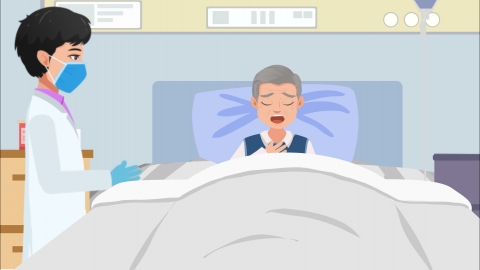
3. Diuretic and Vasodilator Pharmacotherapy: Administer diuretics and vasodilators per clinical guidelines to rapidly eliminate excess body water and reduce circulating blood volume. Systemic vasodilation lowers afterload on the heart, thereby decreasing pulmonary venous congestion and progressively alleviating symptoms such as chest tightness, dyspnea, and productive cough—ultimately stabilizing cardiopulmonary hemodynamics.
4. Inotropic and Symptomatic Treatment: Appropriately administer inotropic agents to augment myocardial contractility and improve cardiac output, thereby correcting heart failure. Concurrent use of sedatives and bronchodilators helps control agitation and dyspnea, reducing overall oxygen consumption and preventing further deterioration of cardiopulmonary function—thus halting disease progression.
5. Surgical Correction of Underlying Cause: For primary cardiac conditions such as valvular heart disease or severe coronary artery stenosis, definitive surgical intervention is indicated. Procedures may include valve repair/replacement or coronary revascularization to correct structural abnormalities and restore optimal cardiac pump function—thereby eliminating the root cause of recurrent pulmonary edema. This approach is particularly appropriate for refractory pulmonary edema secondary to organic heart disease.
In daily life, maintaining emotional stability, avoiding overexertion and sleep deprivation, strictly regulating fluid and sodium intake, regularly monitoring heart rate and blood pressure, and adhering to evidence-based chronic disease management protocols can significantly reduce the risk of recurrence of cardiogenic pulmonary edema.


