


How to Prevent Allergic Rhinitis

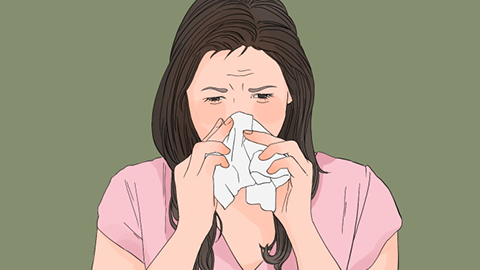
Preventing allergic rhinitis can be effectively achieved through measures such as maintaining a clean living environment, avoiding allergens, adjusting daily routines, strengthening overall physical fitness, and using preventive medications appropriately. Allergic rhinitis is commonly triggered by external allergens and immune system imbalances; therefore, scientifically informed prevention strategies can significantly reduce the frequency of episodes. If persistent nasal congestion and discharge, recurrent nasal itching, or frequent sneezing occur, prompt medical consultation and treatment are recommended.
1. Maintain a Clean Living Environment: Regularly clean your living space; frequently wash bedding, pillowcases, curtains, and other fabrics to minimize dust mites and mold growth indoors. Ensure adequate indoor ventilation and maintain a dry, clean environment. Promptly remove floor debris and dust. Wipe furniture surfaces regularly to prevent accumulation of airborne pollutants, thereby creating a healthier living environment.
2. Avoid Known Allergens: Actively steer clear of common allergens such as pollen, pet dander, and household dust. During peak pollen seasons, limit time spent outdoors. When outside, wear appropriate facial coverings (e.g., masks) to prevent direct contact between allergens and nasal mucosa. Minimize exposure to irritating odors and cooking fumes to reduce irritation to the nasal mucosa and lower the risk of triggering rhinitis.
3. Regulate Daily Routines: Maintain consistent sleep-wake patterns—go to bed early and rise early—and avoid chronic sleep deprivation or irregular circadian rhythms. Adjust clothing layers according to seasonal changes to ensure proper warmth for both the nasal passages and the entire body, helping prevent colds and upper respiratory infections. A stable physiological state helps reduce nasal mucosal hypersensitivity and supports normal nasal defense functions.
4. Strengthen Physical Constitution: Engage in moderate outdoor exercise regularly—such as jogging, brisk walking, or calisthenics—to enhance immune function. Maintain a balanced diet rich in diverse nutrients to support optimal metabolic health. Improved physical resilience enhances the nasal cavity’s resistance to disease and reduces the recurrence of allergic symptoms.
5. Use Preventive Medications Appropriately: Prior to high-risk allergy seasons, initiate prescribed preventive medications under professional guidance to alleviate nasal mucosal hypersensitivity. These medications help suppress abnormal mucosal stress responses and lower the likelihood of symptom onset upon allergen exposure. Consistent, phased management helps stabilize the nasal microenvironment and decrease the incidence of acute allergic rhinitis episodes.
Additionally, routinely rinsing the nasal cavity with lukewarm saline helps keep the nasal mucosa moist and clean. Adopting a light, nutritionally balanced diet and sustaining stable immune function over the long term can effectively reinforce nasal defensive capabilities.


