


Are elderly people more prone to developing benign paroxysmal positional vertigo (BPPV)?

Elderly individuals are a high-risk group for benign paroxysmal positional vertigo (BPPV), commonly known as “ear stone syndrome.” Age-related decline in bodily functions and reduced blood circulation in the inner ear increase susceptibility to this condition, making it a frequent cause of dizziness in older adults. Recurrent, sudden, brief episodes of vertigo—especially triggered by changes in head position—warrant prompt medical evaluation and appropriate management.
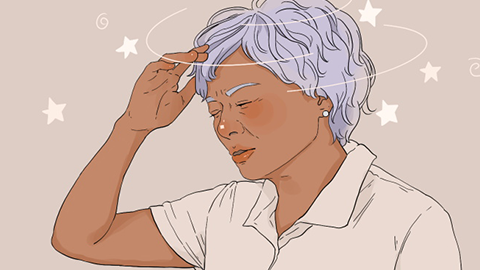
The inner ear contains tiny calcium carbonate crystals—called otoliths or “ear stones”—that play a critical role in detecting head movement and maintaining balance. With advancing age, the inner ear structures gradually degenerate, diminishing the stability of these otoliths and increasing their likelihood of dislodgement. Additionally, aging is associated with diminished microcirculation in the ear and disturbances in calcium metabolism; when combined with everyday factors such as minor head trauma or chronic sleep deprivation, these contribute further to otolith detachment and subsequent transient vertigo.
The cornerstone treatment for BPPV is canalith repositioning maneuvers—a series of precise, guided head and body movements performed by trained clinicians to relocate dislodged otoliths back to their proper anatomical location, thereby rapidly alleviating vertigo symptoms. Some elderly patients may experience residual head discomfort following repositioning; in such cases, vestibular rehabilitation exercises can be incorporated to progressively restore balance function and reduce symptom recurrence.
In daily life, older adults should move slowly when rising from sitting or lying positions, turning the head, or bending forward. Ensuring adequate rest, maintaining regular calcium supplementation, and engaging in gentle, consistent physical activity all support vestibular health and help minimize dizziness caused by abrupt changes in head position.


