


What should I do if an insect crawls into my ear?

When an insect enters the ear canal, it can be managed through several approaches: remaining calm and still, using light to lure the insect out, instilling liquid to immobilize and flush it out, performing simple ear canal cleaning, or seeking professional medical removal. Proper handling safely expels the insect without injuring the ear canal or tympanic membrane; conversely, incorrect maneuvers may exacerbate ear canal injury. If persistent ear pain, ear canal bleeding, tinnitus, or other symptoms occur, seek prompt medical evaluation and treatment.
1. Remain Calm and Still: After an insect enters the ear canal, keep the head stable—avoid shaking the head, scratching the ear, or jumping. Panic-induced movements may cause the insect to struggle and crawl repeatedly within the ear canal, potentially lacerating the ear canal mucosa or even perforating the eardrum. Remaining motionless reduces insect movement and lowers the risk of ear canal injury, thereby facilitating subsequent insect removal.
2. Use Light to Lure the Insect Out: Exploit the phototactic behavior common to many insects. In a dark environment, gently orient the affected ear toward a light source—such as a desk lamp or the soft light from a smartphone—and remain still for several moments, allowing the insect to crawl out spontaneously. This method is gentle and safe, causing no irritation or trauma to the ear canal or eardrum, and is especially suitable for small flying insects.
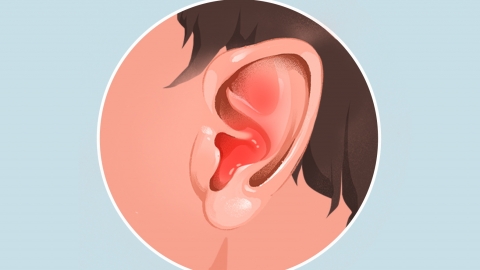
3. Instill Liquid to Immobilize and Flush Out the Insect: If light exposure proves ineffective, instill clean, warm water or sterile mineral oil into the ear canal. The liquid moistens and suffocates the insect (depriving it of oxygen), halting its movement, while also lubricating the ear canal walls. After waiting several minutes, tilt the head to allow the liquid—and the insect—to drain out naturally, effectively securing and removing the insect from the ear canal.
4. Perform Simple Ear Canal Cleaning: Once the insect has been successfully expelled, gently wipe residual fluid and debris from the external ear canal using a clean cotton swab. Keep the external ear canal dry and clean—but do not insert the swab deeply into the canal, as this risks injuring the ear canal mucosa. This simple cleaning helps prevent bacterial growth from retained moisture and maintains ear canal hygiene, reducing the risk of otitis externa.
5. Seek Professional Medical Removal: When the insect cannot exit spontaneously, is lodged deeply, or has died and become impacted in the ear canal, consult a healthcare provider. Specialized instruments enable precise, safe removal, along with thorough assessment of the ear canal and tympanic membrane for any injury. Timely intervention prevents complications such as infection, inflammation, or tinnitus arising from retained insect remnants.
Subsequently, avoid prolonged exposure to environments with high insect activity; protect your ears during sleep; maintain ear canal dryness and cleanliness; and closely monitor ear health after insect removal to prevent inflammatory complications.


