


How to Stop a Nosebleed Quickly

Nosebleeds (epistaxis) can be rapidly controlled through measures including adjusting body posture, applying direct pressure to the nasal area, external cold compresses, topical intranasal medications, and professional nasal packing. Incorrect practices—such as tilting the head backward or stuffing tissues into the nose—may worsen bleeding and introduce additional safety risks. If bleeding persists for more than 15 minutes despite first-aid efforts, or if nosebleeds recur frequently, seek prompt medical evaluation and treatment at a hospital.
1. Adjusting Body Posture: After a nosebleed begins, sit upright with your body slightly leaning forward and your head tilted gently forward, allowing blood to drain freely from the nostrils. Do not tilt your head backward, as this may cause blood to flow backward into the pharynx, potentially triggering coughing, choking, or gastric discomfort. Breathe calmly and avoid agitation; increased physical or emotional stress accelerates circulation and may exacerbate bleeding, hindering clot formation at the bleeding site.
2. Direct Pressure Application: Use your thumb and index finger to firmly pinch the soft, fleshy part of both sides of the nasal alae (nostrils) for approximately 10–15 minutes continuously. Avoid repeatedly releasing pressure to check for cessation of bleeding, as intermittent compression interferes with vasoconstriction and clot stabilization. This maneuver compresses the anterior nasal septum—the most common site of epistaxis—and promotes hemostasis by facilitating vessel constriction and clot formation. It is the primary and most effective first-aid measure.
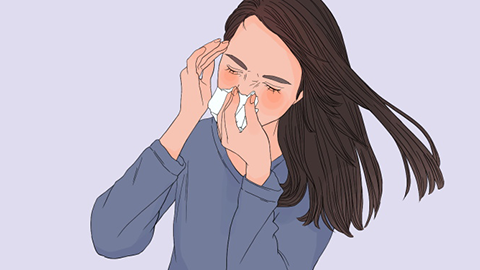
3. External Cold Compress: Apply a cool, damp towel to the bridge of the nose and nasal root. Cold exposure induces local vasoconstriction, reducing blood flow within the nasal cavity and thereby slowing the rate of bleeding. When combined with direct pressure, cold compresses enhance the speed and effectiveness of hemostasis. Ensure the compress is cool—not excessively cold—to prevent frostbite or skin injury; never apply ice directly to the skin.
4. Topical Intranasal Medications: If minor oozing persists after initial first-aid measures, topical nasal decongestants (e.g., oxymetazoline or phenylephrine sprays) may be used under professional guidance. These agents promote vasoconstriction in the surrounding mucosa, reduce local hyperemia, and reinforce hemostasis. After application, minimize nasal manipulation and physical activity to prevent re-bleeding.
5. Professional Nasal Packing: When bleeding is severe and cannot be controlled with home-based interventions, immediate medical attention is required. Healthcare providers may perform nasal packing using specialized absorbable or non-absorbable materials to mechanically compress the bleeding site, halt hemorrhage, and facilitate identification of the precise source. Following packing, close observation is essential while awaiting mucosal healing to reduce the risk of recurrent epistaxis.
For daily prevention: maintain adequate hydration to keep nasal mucosa moist; avoid picking or rubbing the nose; use a humidifier during dry seasons to prevent mucosal drying, cracking, and ulceration—key contributors to epistaxis.


