


What Are the Symptoms of Pharyngitis?

Pharyngitis can manifest with various symptoms, including dryness and itching in the throat, throat pain, a foreign-body sensation in the throat, coughing with sputum production, and discomfort during swallowing. Acute pharyngitis develops rapidly, whereas chronic pharyngitis tends to persist or recur over time. Symptom severity varies among individuals. If you experience persistent high fever, breathing difficulty, or other severe symptoms, seek prompt medical evaluation and treatment.
1. Dryness and Itching in the Throat: Dryness and itching are common manifestations of pharyngitis. Inflammation of the pharyngeal mucosa accelerates moisture loss and heightens nerve sensitivity. Environmental factors such as dry air or exposure to smoke and dust may exacerbate this sensation, often triggering involuntary throat-clearing. Persistent, recurrent dryness and itching continuously irritate the pharyngeal mucosa, delaying its healing and interfering with daily speech and rest.
2. Throat Pain: Throat pain is especially prominent during acute pharyngitis. Inflammatory stimulation causes hyperemia (increased blood flow) and swelling of the pharyngeal mucosa, resulting in sharp or burning pain. This discomfort intensifies during speaking or swallowing. Some individuals may also experience referred pain radiating to the ear region.
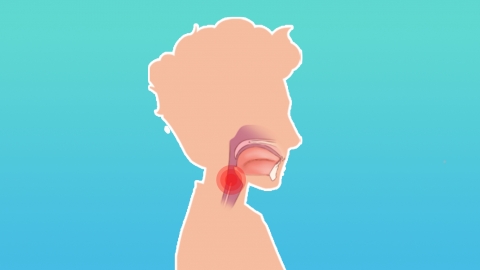
3. Foreign-Body Sensation in the Throat: This symptom is more commonly observed in chronic pharyngitis. Hyperemia and mucosal hypertrophy, along with mucus adhering to the pharyngeal wall, create a persistent sensation of something lodged in the throat. Frequent throat-clearing rarely alleviates this feeling, and emotional stress or fatigue may further aggravate the discomfort.
4. Coughing and Sputum Production: Pharyngitis can trigger coughing and sputum production due to inflammatory irritation of the pharynx, which activates a reflexive cough response. Sputum volume varies: during the acute phase, thick, viscous sputum may be expectorated; in the chronic phase, small amounts of white, mucoid sputum are typical, while some patients experience non-productive (dry) cough. When lying supine at night, postnasal drip may increase, leading to more frequent coughing episodes.
5. Swallowing Discomfort: Swallowing discomfort arises from mucosal swelling in the pharynx. During swallowing—whether of food or saliva—a sense of obstruction or resistance may be perceived in the throat. Mild cases may involve only subtle abnormal sensations, whereas more severe inflammation may cause overt pain during swallowing.
In daily life, drink plenty of warm water, avoid tobacco, alcohol, and strong irritants (e.g., pungent odors), maintain appropriate indoor humidity, minimize vocal strain, and thereby reduce the recurrence of pharyngitis-related symptoms.


