


Can neurogenic tinnitus be reversed?

Neural tinnitus may resolve spontaneously; individuals with a short disease duration and mild symptoms have a higher likelihood of recovery, whereas those with long-standing tinnitus or concurrent neural damage face greater challenges in achieving full recovery. Persistent tinnitus accompanied by hearing loss warrants prompt medical evaluation and intervention.
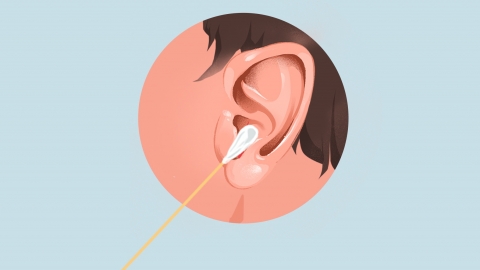
Neural tinnitus commonly arises from abnormalities in inner ear circulation, auditory nerve fatigue, sleep deprivation, physical exhaustion, or emotional fluctuations—any functional disturbance of the inner ear nerves can trigger tinnitus perception. In cases of acute, short-term tinnitus, permanent neural damage is typically absent; timely interventions—including neurotrophic therapy, microcirculatory improvement, and lifestyle adjustments—can enable most individuals to gradually restore normal auditory function.
Chronic, recurrent neural tinnitus often reflects persistent damage to the auditory nerve, making complete functional recovery difficult. Clinically, symptom management typically involves pharmacological therapy and acoustic desensitization training to reduce tinnitus-related discomfort. Consistent, standardized treatment helps stabilize neural function in the ear, decrease tinnitus frequency, and improve overall quality of life.
In daily life, avoid noisy environments, limit prolonged headphone use, maintain regular sleep-wake cycles and emotional stability, and engage in moderate stress-relief practices to support inner ear nerve health and microcirculation.


