


Can ears be reconstructed?

The external ear can be reconstructed through plastic surgery, suitable for individuals with congenital auricular hypoplasia or acquired traumatic defects. In contrast, the internal ear—comprising delicate structures such as the cochlea and auditory nerve—cannot be structurally regenerated or reconstructed; only functional improvements are possible through medical interventions. Any morphological defect of the ear or hearing abnormality warrants prompt medical evaluation to determine an appropriate treatment plan.
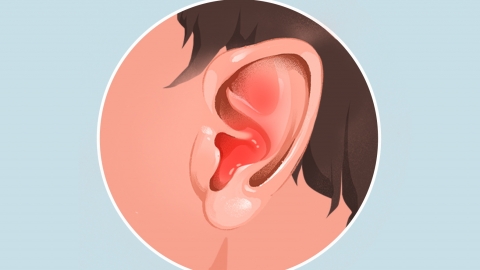
External ear reconstruction is a well-established plastic surgical procedure primarily aimed at repairing deficiencies in auricular cartilage and overlying skin tissue. Clinically, autologous rib cartilage is commonly harvested, meticulously carved, and sculpted to form a new auricular framework; this is then covered with a skin graft to complete the reconstruction. This approach is applicable to various conditions—including congenital microtia and traumatic auricular loss—and typically involves staged procedures to restore the ear’s fundamental appearance.
The inner ear contains highly specialized structures—including the cochlea and auditory nerve—that lack regenerative capacity and therefore cannot be surgically reconstructed. Hearing loss resulting from inner ear damage may be managed through hearing aids, auditory rehabilitation training, or—in cases of severe impairment—cochlear implantation, which helps compensate for profound hearing deficits.
Postoperatively, maintain cleanliness and dryness of the reconstructed auricular skin; avoid external pressure, trauma, or impact to the reconstructed ear. Adopt a light, balanced diet and maintain regular sleep patterns to support optimal wound healing and long-term stability of the reconstructed auricular morphology.


