


How long after getting ear piercings can I get them wet?

After getting your ears pierced, the initial healing of the wound typically takes about one week. It is recommended to avoid regular contact with tap water (e.g., during washing or showering) until at least one week has passed. Exposing the wound to moisture before it has fully scabbed over and closed increases the risk of bacterial infection, potentially leading to redness, swelling, and inflammation. If persistent redness, swelling, or pus discharge occurs, prompt medical attention is required.
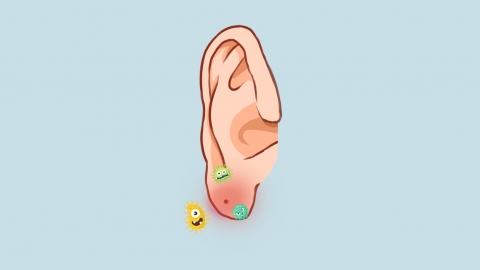
Immediately after piercing, a fresh wound forms at the puncture site, and the skin’s protective barrier remains compromised. Water—especially when mixed with impurities from shower gels or shampoos—can enter the wound, significantly increasing the risk of infection. During the first week, bathing and hair-washing can still be performed safely by taking appropriate protective measures to minimize water exposure to the piercing site. For individuals whose healing progresses more slowly, delaying water contact beyond one week may be necessary.
When inflammation develops, localized symptoms such as redness, swelling, fluid discharge, and pain commonly appear. Mild inflammation can often be managed with proper local cleaning and disinfection, avoiding repeated friction or irritation from jewelry, thereby promoting faster wound recovery. In cases where an abscess has formed, professional local wound debridement is required to control infection spread and reduce the likelihood of hypertrophic scarring.
In daily life, avoid frequently rotating your earrings, minimize hand contact with the piercing site, ensure you do not sleep on or compress the ear, and maintain a dry, clean environment around the piercing to support stable and healthy channel formation.


