


What are the symptoms of a ruptured eardrum?

Perforation of the tympanic membrane (eardrum) may manifest with various symptoms, including ear pain, ear canal bleeding, hearing loss, tinnitus (ringing in the ear), and a sensation of fullness or pressure in the ear. The severity of these symptoms varies depending on the size of the perforation and its underlying cause. Traumatic injury (e.g., blunt force impact) and inflammatory infection are common causes of tympanic membrane perforation. If you experience purulent ear discharge, fever, dizziness, or nausea, seek prompt medical evaluation and treatment at a hospital.
1. Ear Pain: Ear pain typically occurs immediately following tympanic membrane rupture and is often described as sharp, stabbing pain at the moment of perforation. In cases caused by inflammation, pain tends to persist for a longer duration. Some individuals may experience referred pain radiating to the ipsilateral head, resulting in headache or general head discomfort. Although pain usually subsides gradually after perforation, secondary infection may trigger recurrent ear pain.
2. Ear Canal Bleeding: Bleeding from the ear canal is most commonly observed in traumatic tympanic membrane perforations. Blood loss is generally minimal—often appearing as streaks of blood or slight oozing within the ear canal. The tympanic membrane contains fine capillaries; when ruptured, these vessels bleed. In contrast, bleeding associated with inflammatory perforations is typically mild and frequently accompanied by purulent discharge.
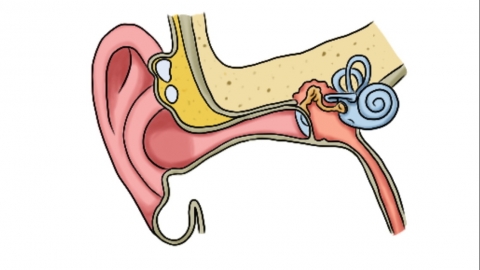
3. Hearing Loss: Hearing loss is a hallmark symptom of tympanic membrane perforation. As the tympanic membrane plays a critical role in sound conduction, perforation impedes normal transmission of sound waves. Larger perforations correlate with more pronounced hearing impairment. With small perforations, patients may perceive sounds as muffled; larger perforations can cause significant difficulty hearing, and some individuals may also experience reduced sound discrimination.
4. Tinnitus: Tinnitus often develops immediately after tympanic membrane perforation and may present as buzzing, hissing, or other abnormal auditory sensations. Disruption of tympanic membrane integrity exposes the inner ear to external stimuli, thereby triggering aberrant neural signaling perceived as tinnitus. Mild tinnitus associated with small perforations may resolve spontaneously; however, persistent tinnitus is more likely with larger perforations or concurrent inner ear injury.
5. Aural Fullness: A sensation of fullness or pressure in the ear arises from altered middle ear pressure following tympanic membrane perforation—akin to having something obstructing the ear canal. Some individuals may notice air leakage from the ear during Valsalva maneuvers (e.g., pinching the nose and gently blowing). This sensation compromises overall ear comfort and may intensify further if secretions accumulate in the ear canal.
In daily life, avoid instilling water into the ear canal and refrain from deep ear cleaning with cotton swabs. Prevent upper respiratory infections (e.g., colds) to reduce the risk of otitis media, thereby creating optimal conditions for spontaneous tympanic membrane healing.


