


Is a ruptured eardrum serious?

Tympanic membrane perforations vary in severity: minor tears are generally not serious and may heal spontaneously, whereas large perforations or those complicated by secondary infection are typically more severe and may impair hearing or lead to ear-related complications. Perforations caused by trauma or inflammation must both be taken seriously. Persistent ear pain, purulent discharge, or tinnitus warrants prompt medical evaluation and treatment.
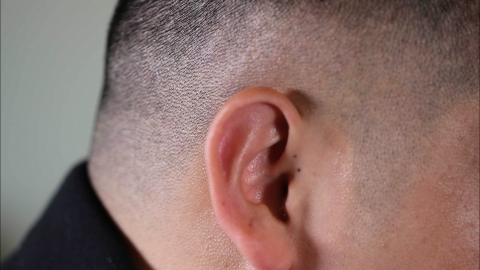
The tympanic membrane serves as a barrier between the external and middle ear, transmitting sound waves while preventing bacteria and contaminated water from entering the middle ear cavity. Minor traumatic perforations—those with small wound surfaces—often heal gradually with proper ear hygiene and typically leave no long-term ear problems. In contrast, inflammatory perforations are frequently associated with underlying middle ear pathology, have a lower likelihood of spontaneous healing, and may cause persistent hearing impairment.
Clinically, management strategies are tailored according to the size of the perforation and its underlying cause. Small perforations are primarily managed conservatively with observation, rest, and infection prevention. Larger perforations—or those that fail to heal over time—may require tympanoplasty (eardrum repair surgery) to restore the ear’s protective barrier. Timely intervention helps prevent recurrent middle ear infections and progressive hearing loss.
In daily life, keep the ear canal dry and clean; avoid forceful nose-blowing or exposure to loud noises; minimize water entry into the ear canal and protect the ears from physical impact. Such measures support healthy ear tissue maintenance and facilitate tympanic membrane recovery.


