


How to Treat a Sprained Lower Back

Low back strain can be managed through bed rest with immobilization, local cold compresses, local heat therapy, topical and oral medications, and surgical interventions when necessary. Most low back strains involve overstretching or tearing of the lumbar muscles and fascia; inappropriate physical activity may exacerbate soft-tissue injury. If symptoms such as lower-limb numbness or weakness, or abnormalities in bowel or bladder function occur, prompt medical evaluation and treatment are essential.
1. Bed Rest with Immobilization: Bed rest with immobilization is the primary initial management strategy following a low back strain. Minimize activities involving bending or twisting the lumbar spine, and rest supine on a mattress of appropriate firmness. Briefly reducing mechanical load on the lumbar region allows injured muscles and fascia to relax and prevents further stretching of the damaged tissues. Duration of rest should be carefully balanced—prolonged bed rest is discouraged. Gradually reintroduce light activity later to prevent atrophy of the lumbar and paraspinal musculature.
2. Local Cold Compress Therapy: Cold compress therapy is indicated during the early phase of injury—within the first 48 hours. Apply a cold towel to the painful lumbar area to induce local vasoconstriction, thereby reducing congestion, swelling, and pain. Each cold application should last an appropriate duration, followed by intervals before reapplication. Avoid direct skin contact with ice or frozen objects to prevent frostbite.
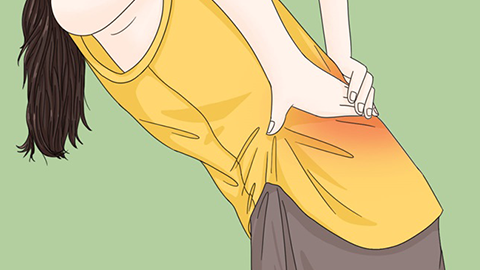
3. Local Heat Therapy and Physiotherapy: Heat therapy and physiotherapy are initiated after the initial 48-hour period. Apply warm towels or use therapeutic devices (e.g., heating pads, infrared lamps) to the affected lumbar region. This promotes local vasodilation, enhances blood flow to the injured area, facilitates resolution of hematoma, and relieves muscle spasm and tension. Consistent, scheduled heat therapy helps alleviate lumbar soreness and stiffness and supports gradual healing of injured soft tissues.
4. Topical and Oral Medications: Topical and oral medications help relieve pain and swelling associated with lumbar strain. Topical agents act directly on the painful area to reduce localized discomfort. For more severe symptoms, oral analgesics or anti-inflammatory drugs may be prescribed under professional guidance to improve pain control. During medication use, monitor subjective symptoms and objectively assess changes in pain intensity and swelling; avoid increasing dosage without medical advice.
5. Surgical Intervention: Most cases of lumbar strain do not require surgical intervention. However, when significant ligamentous tears or concomitant vertebral injuries are present—and conservative management proves ineffective—surgical options may be considered. Comprehensive imaging studies (e.g., MRI, CT) are essential to accurately assess the extent of injury before selecting an appropriate surgical approach. Postoperatively, diligent lumbar protection and progressive, guided functional rehabilitation are critical to restore lumbar function.
In the later recovery phase, gradually incorporate strengthening exercises targeting the lumbar and paraspinal muscles. When lifting or carrying heavy objects, maintain proper body mechanics. Ensure adequate lumbar warmth in daily life, avoid sudden twisting or bending motions, and thereby reduce the risk of recurrent lumbar strain.


