What should I do about sciatica?
Aug 24, 2026
Source: Cainiu Health

Dr. Lu Cheng
Introduction
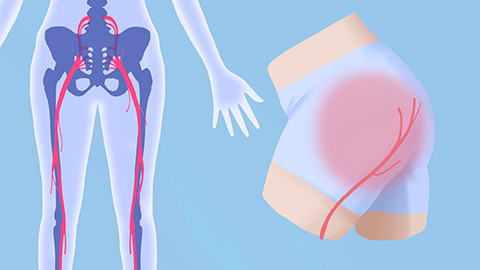
Sciatica can be managed through various approaches, including daily postural adjustments, localized physical therapy, symptomatic pharmacological treatment, nerve blocks, and surgical intervention. Pain arises when the sciatic nerve is compressed or irritated; common underlying causes include lumbar spine disorders and piriformis muscle abnormalities. If symptoms such as significant lower-limb muscle weakness or urinary/bowel dysfunction occur, prompt medical evaluation and treatment at a hospital are essential.
Sciatica can be managed through various approaches, including daily posture adjustments, localized physical therapy, symptomatic pharmacological interventions, nerve block procedures, and surgical intervention. Pain arises when the sciatic nerve is compressed or irritated; common underlying causes include lumbar spine disorders and piriformis muscle abnormalities. If symptoms such as significant lower-limb muscle weakness or disturbances in urinary or bowel function occur, prompt medical evaluation and treatment are essential.
1. Daily Posture Adjustment: This constitutes a foundational management strategy. Avoid prolonged sitting or standing, refrain from bending while lifting heavy objects, and rest on a mattress of appropriate firmness. When seated, support the lumbar spine with a soft cushion, avoid crossing legs, and minimize pressure on the sciatic nerve. Engage in gentle, symptom-guided movement and avoid maintaining any single posture for extended periods to reduce ongoing neural irritation and compression.
2. Localized Physical Therapy: This includes modalities such as heat application, traction, and massage, all aimed at improving blood circulation in the lumbar and gluteal regions and relaxing tense or spastic musculature. These measures help alleviate local tissue compression on the sciatic nerve and relieve pain in the buttocks and lower limbs.
3. Symptomatic Pharmacological Intervention: Medications should be selected under professional guidance to reduce perineural inflammation and edema, thereby alleviating pain and paresthesia. Such drugs may also improve neural metabolism and mitigate radiating pain in the lower limbs. During treatment, monitor changes in limb pain and numbness, and integrate pharmacotherapy with lifestyle modifications for optimal outcomes.
4. Nerve Block Procedures: Nerve blocks are suitable for patients with limited improvement following conservative management. By injecting medication near the sciatic nerve, local inflammation is reduced and transmission of pain signals is interrupted—providing rapid relief from radiating pain extending from the buttocks down the leg and reducing nerve edema and compression.
5. Surgical Intervention: Surgery is typically reserved for cases involving severe nerve compression unresponsive to conservative treatments. It aims to decompress the sciatic nerve by removing mechanical obstructions caused by bone or soft-tissue structures (e.g., herniated discs or hypertrophied piriformis muscle) and eliminating the underlying pathological source of pain. Preoperative imaging is essential to precisely localize the site of compression. Postoperatively, structured, progressive rehabilitation is critical to minimize recurrence risk.
During recovery, gradually initiate strengthening exercises targeting the lumbar, back, and gluteal muscles; maintain warmth and protect the lumbar and gluteal regions from cold exposure; avoid bending to lift heavy objects; and consistently practice proper body mechanics—all of which collectively help reduce the likelihood of sciatica recurrence.