


What Are the Symptoms of a Finger Hairline Fracture?

A finger bone crack (i.e., a hairline or incomplete fracture) may present with various symptoms, including localized pain, swelling at the affected site, subcutaneous bruising (ecchymosis), restricted finger movement, and tenderness upon palpation. It is commonly caused by external forces such as impact, compression, or bending. As a mild form of bone injury, timely management facilitates bone healing. However, if finger deformity or complete loss of mobility occurs, prompt medical evaluation and treatment at a hospital are essential.
1. Localized Pain: Following a finger bone crack, persistent localized pain typically develops. Pain intensifies with mechanical stress or finger movement. The bone crack irritates surrounding soft tissues and nerves, resulting in lingering dull or distending pain even at rest. Routine activities—such as lifting the hand or gripping objects—strain the injured area, exacerbating discomfort and impairing normal hand function.
2. Swelling at the Affected Site: A bone crack damages internal soft tissues and capillaries in the finger, increasing local tissue exudation and leading to swelling. Swelling progressively worsens shortly after injury and extends into the surrounding area. This elevated tissue volume lifts the overlying skin, causing generalized finger edema and restricting basic hand movements.
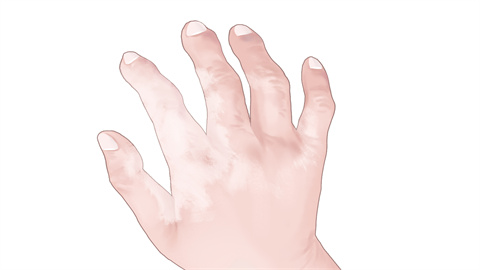
3. Skin Bruising (Ecchymosis): A bone crack ruptures subcutaneous capillaries, causing blood to accumulate beneath the skin—manifesting as visible bruising. Initially, the bruise appears reddish; over time, it gradually transitions to bluish-purple and then yellowish-brown. The bruised area may slowly spread along with local circulatory changes, serving as a classic external sign of both bony and soft-tissue injury.
4. Restricted Finger Mobility: Once a bone crack occurs, finger flexion, extension, and gripping motions strain the damaged site, provoking sharp pain. As a protective reflex, individuals instinctively limit hand movement, reducing finger dexterity and strength. In mild cases, limited motion remains possible, but larger-amplitude movements elicit marked stiffness and pain.
5. Tenderness on Palpation: A distinct, localized tender point corresponds precisely to the site of the bone crack. Direct, precise pressure over the fractured area causes an abrupt, sharp increase in pain. In contrast, tenderness in surrounding soft tissues is comparatively mild—helping differentiate a bone crack from isolated soft-tissue injury. Prolonged or excessive pressure may aggravate local damage and hinder subsequent bone and soft-tissue recovery.
In daily life, keep the injured finger stable and immobilized; avoid exertion or contact with hard objects; maintain adequate hand warmth; consume a light, nutrient-rich diet; and prioritize rest and recuperation to support rapid bone healing.


