


What Causes Lower Back Pain and Soreness at Night?

Midnight lower back soreness and pain may result from improper sleeping posture, cold exposure to the lumbar region, lumbar muscle strain, lumbar facet joint dysfunction, or lumbar myofascial inflammation. Symptoms can be alleviated by adjusting sleep posture, keeping the lumbar area warm, and using appropriate medications. However, if the soreness recurs frequently and disrupts sleep, prompt medical consultation is advised.
1. Improper sleeping posture: Twisted or unnatural sleeping positions during the night cause prolonged stretching and tension in the lumbar muscles. Sustained local soft-tissue tension may lead to a sensation of soreness and dull pain in the lower back during the night. It is recommended to adjust sleeping posture and use a mattress with moderate firmness to minimize continuous muscular strain on the lumbar region.
2. Cold exposure to the lumbar region: Exposure of the lower back to cold temperatures during sleep causes vasoconstriction in the lumbar and dorsal regions, leading to muscle spasm and subsequent nocturnal soreness and discomfort. To prevent this, ensure adequate coverage of the waist and abdomen while sleeping, maintain warmth in the lumbar area, and gently stretch the lumbar region upon waking.
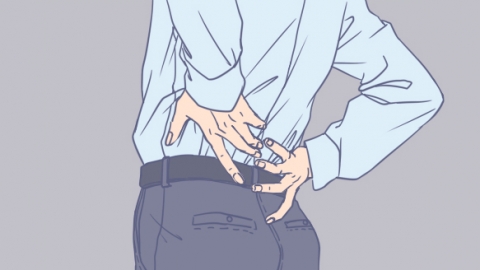
3. Lumbar muscle strain: Repeated or prolonged mechanical loading on the lumbar muscles results in chronic, non-infectious soft-tissue injury. During nighttime rest, reduced local blood circulation may exacerbate underlying inflammation, causing nocturnal soreness and dull ache. Under physician guidance, topical diclofenac sodium gel, sustained-release ibuprofen capsules, or eperisone hydrochloride tablets may be used to relieve symptoms.
4. Lumbar facet joint dysfunction: Minor misalignment of the lumbar facet joints leads to traction and irritation of surrounding ligamentous tissues. When lying supine at night, positional changes—especially during turning—can trigger or worsen lumbar soreness and discomfort. Under medical supervision, loxoprofen sodium patches, celecoxib capsules, or compound chlorzoxazone tablets may help alleviate symptoms.
5. Lumbar myofascial inflammation: Repetitive mechanical stress on the lumbar fascia induces inflammatory changes and edema within the fascial tissue. Inactivity during nighttime may intensify inflammatory stimulation, resulting in pronounced lumbar soreness and pain. As directed by a physician, flurbiprofen gel patches, etoricoxib tablets, or mecobalamin tablets may be used to improve symptoms.
For daily lumbar protection: avoid prolonged standing or sitting; cover and protect the waist and abdomen while sleeping; engage in moderate lumbar and dorsal movement; relax muscles regularly; and maintain normal physiological function of lumbar soft tissues.


