


What Causes Pain in the Left Upper Back?

Left-sided upper back pain may result from prolonged unilateral sitting posture, cold-induced muscle spasm in the back, myofascial inflammation of the back, thoracic facet joint dysfunction, or intercostal neuralgia. Symptoms can be alleviated by correcting sitting posture, maintaining adequate warmth over the back, and using targeted medications. However, if the pain persists or recurs frequently, prompt medical evaluation is advised.
1. Prolonged Unilateral Sitting Posture: Maintaining a consistently one-sided sitting position places sustained tension on the left paraspinal muscles. Over time, muscular fatigue leads to discomfort such as dull aching or soreness. It is recommended to maintain an upright, symmetrical sitting posture throughout the day, take regular breaks to stand and move, and consciously relax the left upper back muscles to prevent chronic asymmetric loading.
2. Cold-Induced Muscle Spasm: Prolonged exposure of the left upper back to cold temperatures triggers local vasoconstriction and muscular spasm. Impaired local circulation may cause intermittent upper back pain. Ensure adequate warmth for shoulders and back; avoid direct exposure to cold drafts. Applying warm compresses may help relieve muscular tension.
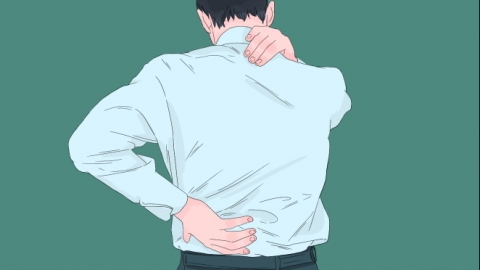
3. Myofascial Inflammation of the Back: Repetitive traction and microtrauma to the fascia on the left upper back lead to sterile inflammation, manifesting as fascial hyperemia and edema. Symptoms—such as persistent dull ache and stiffness—worsen with physical exertion or cold exposure. Under medical supervision, topical flurbiprofen gel patches, sustained-release ibuprofen capsules, or eperisone hydrochloride tablets may be used to alleviate symptoms.
4. Thoracic Facet Joint Dysfunction: Minor misalignment of thoracic vertebrae stretches surrounding soft tissues and ligaments, irritating adjacent nerves. Pain intensifies during trunk rotation or arm elevation, with marked exacerbation of left upper back discomfort. Under physician guidance, loxoprofen sodium tablets, celecoxib capsules, or compound chlorzoxazone tablets may be prescribed to relieve symptoms.
5. Intercostal Neuralgia: Inflammatory irritation of the left intercostal nerve increases neural sensitivity, resulting in referred pain to the upper back. Patients experience paroxysmal sharp or dull pain, often exacerbated by changes in body position. As directed by a physician, mecobalamin tablets, vitamin B1 tablets, or enteric-coated diclofenac sodium tablets may be used to improve symptoms.
Maintain proper posture daily, avoid prolonged sitting or lying, keep shoulders and back adequately warm, perform gentle back stretches regularly, and relieve soft-tissue tension to reduce the risk of upper back pain.


